
Difference between Intercom vs Zendesk Median Cobrowse
Zendesk vs Intercom: Which Is Right For Your Business in 2023?

You’d probably want to know how much it costs to get each of the platforms for your business, so let’s talk money now. Zendesk also has an Answer Bot, which instantly takes your knowledge base game to the next level. It can automatically suggest relevant articles for agents during business hours to share with clients, reducing your support agents’ workload. You can even improve efficiency and transparency by setting up task sequences, defining sales triggers, and strategizing with advanced forecasting and reporting tools.

An inbound customer message through any of these channels becomes a ticket for your support agents, whose reply reaches the customer through the same channel they originally used. Zendesk outshines Intercom for customer support workflows with its core feature, the ticketing system. Zendesk’s ticketing system is renowned for its highly organized approach, which empowers businesses to manage customer support requests with unparalleled efficiency.
Experience the comprehensive power of Intercom for effective customer communication, automation, support tools, integrations, and analytics. Streamline support processes with Intercom’s ticketing system and knowledge base. Efficiently manage customer inquiries and empower customers to find answers independently. Designed for all kinds of businesses, from small startups to giant enterprises, it’s the secret weapon that keeps customers happy.
Help center
Customer experience will be no exception, and AI models that are purpose-built for CX lead to better results at scale. When it comes to ease-of-use, Zendesk undeniably takes the lead over Intercom. Zendesk’s intuitive design caters to beginners and non-technical users, offering a seamless experience right from the start. For instance, when you need to access specific features or information, Zendesk’s organized interface ensures that everything is easily locatable, reducing search time and user frustration. For instance, Intercom can guide a new software user through each feature step by step, providing context and assistance along the way.
Please include what you were doing when this page came up and the Cloudflare Ray ID found at the bottom of this page. We give the edge to Zendesk here, as it’s typically aimed for more complex environments. It’s also more exclusively focused on providing help support, whereas Intercom sometimes moonlights as being part-time sales. The result is that Zendesk generally wins on ratings when it comes to support capacity. And if you want to invest in making more sales and conversions with your help desk software, it may be worth it to put some money into Intercom for its uniquely conversational approach to front desk help. This is not a huge difference; however, it does indicate that customers are generally more satisfied with Intercom’s offerings than Zendesk’s.
Understanding the unique attributes of Zendesk and Intercom is crucial in this comparison. Zendesk is renowned for its comprehensive range of functionalities, including advanced email ticketing, live chat, phone support, and a vast knowledge base. Its ability to seamlessly integrate with various applications further amplifies its versatility. Founded in 2007, Zendesk started as a ticketing tool for customer success teams.
Top 15 Drift Competitors and Alternatives – Business Strategy Hub
Top 15 Drift Competitors and Alternatives.
Posted: Fri, 08 Mar 2024 08:00:00 GMT [source]
Intercom is a customer relationship management (CRM) software company that provides a suite of tools for managing customer interactions. The company was founded in 2011 and is headquartered in San Francisco, California. Intercom’s products are used by over 25,000 customers, from small tech startups to large enterprises. Intercom has a different approach, one that’s all about sales, marketing, and personalized messaging. Intercom has your back if you’re looking to supercharge your sales efforts. It’s like having a toolkit for lead generation, customer segmentation, and crafting highly personalized messages.
What’s really nice about this is that even within a ticket, you can switch between communication modes without changing views. So if an agent needs to switch from chat to phone to email (or vice versa) with a customer, it’s all on the same ticketing page. There’s even on-the-spot translation built right in, which is extremely helpful. If delivering an outstanding customer experience and employee experience is your top priority, Zendesk should be your top pick over Intercom.
Customer Support and Services
Additionally, you can trigger incoming messages to automatically assign an agent and create dashboards to monitor the team’s performance on live chat. The platform is recognized for its ability to resolve a significant portion of common questions automatically, ensuring faster response times. Intercom is a customer support platform known for its effective messaging and automation, enhancing in-context support within products, apps, or websites. It features the Intercom Messenger, which works with existing support tools for self-serve or live support. This exploration aims to provide a detailed comparison, aiding businesses in making an informed decision that aligns with their customer service goals. Both Zendesk and Intercom offer robust solutions, but the choice ultimately depends on specific business needs.

Small businesses who prioritize collaboration will also enjoy Zendesk for Service. Here, we’ve outlined the support options that Intercom and Zendesk provide to companies using their platforms. The decision to choose a customer support platform should be based on a careful evaluation of your organization’s unique needs, customer interaction channels, scalability requirements, and budget constraints. The decision to choose a customer support platform should be based on a careful evaluation of your organization’s unique requirements, customer interaction channels, scalability needs, and budget constraints.
These premium support services can range in cost, typically between $1,500 and $2,800. This additional cost can be a considerable factor for businesses to consider when evaluating their customer support needs against their budget constraints. But it’s designed so well that you really enjoy staying in their inbox and communicating with clients. So when it comes to chatting features, the choice is not really Intercom vs Zendesk.
On the other hand, Intercom brings a dynamic approach to customer support. Its suite of tools goes beyond traditional ticketing and focuses on customer engagement and messaging automation. From in-app chat to personalized autoresponders, Intercom provides a unified experience across multiple channels, creating a support ecosystem that nurtures and converts leads. Zendesk, unlike Intercom, is a more affordable and predictable customer service platform.
You can foun additiona information about ai customer service and artificial intelligence and NLP. With Intercom, businesses can engage in real-time chats, schedule meetings, and strategically deploy chat boxes to specific customer segments. What truly sets Intercom apart is its data-driven approach to customer engagement. It actively collects and utilizes customer data to facilitate highly personalized conversations. For instance, it can use past interactions and behaviors to tailor recommendations or responses. Zendesk is renowned for its comprehensive toolset that aids in automating customer service workflows and fine-tuning chatbot interactions. Its strengths are prominently seen in multi-channel support, with effective email, social media, and live chat integrations, coupled with a robust internal knowledge base for agent support.
Depending on your needs, you can set up Intercom on your website or mobile app and add your automations. Setting up Intercom help centers is also very easy and intuitive, with no previous knowledge required. Although it can be pricey, Zendesk’s platform is a very robust one, with powerful reporting and insight tools, a large number of integrations, and excellent scalability features. With both tools, you can also use support bots to automatically suggest https://chat.openai.com/ specific articles, track customers’ ratings, and localize help center content to serve your customers in their native language. For instance, a customer inquiry about product availability can trigger an automated response providing real-time stock information within Zendesk. While Intercom does incorporate automated responses via chatbots, it doesn’t exhibit the same level of sophistication and versatility in its automation capabilities as Zendesk.
It’s virtually impossible to predict what you’ll pay for Intercom at the end of the day. They charge for customer service representative seats and people reached, don’t reveal their prices, and offer tons of custom add-ons at additional cost. You can create dozens of articles in a simple, intuitive WYSIWYG text editor, divide them by categories and sections, and customize with your custom themes. If you create a new chat with the team, land on a page with no widget, and go back to the browser for some reason, your chat will go puff. All customer questions, be it via phone, chat, email, social media, or any other channel, are landing in one dashboard, where your agents can solve them quickly and efficiently. It guarantees continuous omnichannel support that meets customer expectations.
This scalability allows organizations to adapt their support operations to their expanding customer base. Higher-tier plans in Zendesk come packed with advanced functionalities such as chatbots, customizable knowledge bases, and performance dashboards. These features can add significant value for businesses aiming to implement more sophisticated support capabilities as they scale.
It was later that they started adding all kinds of other features, like live chat for customer conversations. They bought out the Zopim live chat solution and integrated it with their toolset. Why don’t you try something equally powerful yet more affordable, like HelpCrunch? The highlight of Zendesk’s ticketing software is its omnichannel-ality (omnichannality?).
Beyond that, you can create custom reports that combine all of the stats listed above (and many more) and present them as counts, columns, lines, or tables. Zendesk is designed with the agent in mind, delivering a modern, intuitive experience. The customizable Zendesk Agent Workspace enables reps to work within a single browser tab with one-click navigation across any channel. Intercom, on the other hand, can be a complicated system, creating a steep learning curve for new users. Use HubSpot Service Hub to provide seamless, fast, and delightful customer service. Whether Intercom is cheaper than Zendesk depends on your specific usage, feature requirements, and the number of users in your organization.
In terms of pricing, Intercom is considered one of the most expensive tools on the market. Keeping this general theme in mind, I’ll dive deeper into how each software’s features compare, so you can decide which use case might best fit your needs. Understanding these fundamental differences should go a long way in helping you pick between the two, but does that mean you can’t use one platform to do what the other does better? These are both still very versatile products, so don’t think you have to get too siloed into a single use case.
At the same time, the vendor offers powerful reporting capabilities to help you grow and improve your business. With industry-leading AI that infuses intelligence into every interaction, robust integrations, and exceptional data security and compliance, it’s no wonder why Zendesk is a trusted leader in CX. Intercom also uses AI and features a chatbot called Fin, but negative reviews note basic reporting and a lack of customization. Fin is priced at $0.99 per resolution, so companies handling large volumes of queries might find it costly. In comparison, Zendesk customers pay a fixed price of $50 per agent—and only Zendesk AI is modeled on the world’s largest CX-specific dataset.
Research by Zoho reports that customer relationship management (CRM) systems can help companies triple lead conversion rates. Those same tools also increase customer retention by 27% while saving 23% on sales and marketing costs. When comparing the reporting and analytics features of Zendesk and Intercom, both platforms offer robust tools, but with distinct focuses and functionalities. Choosing the right customer service platform is pivotal for enhancing business-client interactions. In this context, Zendesk and Intercom emerge as key contenders, each offering distinct features tailored to dynamic customer service environments. But keep in mind that Zendesk is viewed more as a support and ticketing solution, while Intercom is CRM functionality-oriented.
Meanwhile, our WFM software enables businesses to analyze employee metrics and performance, helping them identify improvements, implement strategies, and set long-term goals. While Zendesk is a widely used and versatile customer support and engagement platform, it’s important to consider whether there might be a better software solution tailored to your specific needs. Zendesk’s user face is quite intuitive and easy to use, allowing customers to quickly find what they are looking for. Additionally, the platform allows users to customize their experience by setting up automation workflows, creating ticket rules, and utilizing analytics.
On the other hand, if you need something that is more tailored to your customer base and is less expensive, then Intercom might be a better fit. Zendesk has an app available for both Android and iOS, which makes it easy to stay connected with customers while on the go. The app includes features like push notifications and real-time customer engagement — so businesses can respond quickly to customer inquiries. When choosing between Zendesk and Intercom for your customer support needs, it’s essential to consider various factors that align with your business goals, operational requirements, and budget. Both platforms offer distinct strengths, catering to customer support and engagement aspects. As you dive deeper into the world of customer support and engagement, you’ll discover that Zendesk and Intercom offer some distinctive features that set them apart.
Reviewers were frustrated by how long it took for their tickets to get resolved, as well as the complexity with which they were tossed around from department to department. Given that these are two services predicated on making you better at customer support, you’d think they’d be able to handle it better themselves. However, reading the reviews, it’s probably more accurate to say that Zendesk is “mixed” on customer support, whereas Intercom doesn’t have a stellar record. Intercom’s messaging system enables real-time interactions through various channels, including chat, email, and in-app messages. Connect with customers wherever they are for timely assistance and personalized experiences. Zendesk’s Help Center and Intercom’s Articles both offer features to easily embed help centers into your website or product using their web widgets, SDKs, and APIs.
It integrates customer support, sales, and marketing communications, aiming to improve client relationships. Known for its scalability, Zendesk is suitable for various business sizes, from startups to large corporations. Unlike Intercom, Zendesk is scalable, intuitively designed for CX, and offers a low total cost of ownership. While Zendesk incorporates live chat and messaging functionalities to facilitate proactive customer engagement, it falls short of matching Intercom’s level of personalization. Intercom’s pricing typically includes different plans designed to accommodate businesses of various sizes and needs. While Intercom offers a free trial, it’s important to note that the cost can increase as you scale and add more features or users.
Zendesk has the CX expertise to help businesses of all sizes scale their service experience without compromise. To get the best possible experience please use the latest version of Chrome, Firefox, Safari, or Microsoft Edge to view this website. If that’s not detailed enough, then surely their visitor browsing details will leave you surprised. This enables your operators to understand visitor intent faster and provide them with a personalized experience. Messagely pulls together all of the information about the customer contacting you and gives your representatives information on each interaction they’ve had with them, all within a streamlined platform. This way, your clients will never have to repeat themselves or get frustrated because their new representative doesn’t know their background.
What Intercom Offers:
Plus, our transparent pricing doesn’t have hidden fees or endless add-ons, so customers know exactly what they’re paying for and can calculate the total cost of ownership ahead of time. In comparison, Intercom’s confusing pricing structure that features multiple add-ons may be unsuitable for small businesses. Zendesk has over 150,000 customer accounts from 160 countries and territories. They have offices all around the world including countries such as Mexico City, Tokyo, New York, Paris, Singapore, São Paulo, London, and Dublin. See how leading multi-channel consumer brands solve E2E customer data challenges with a real-time customer data platform.
Intercom live chat is modern, smooth, and has many advanced features that other chat tools don’t. It’s highly customizable, too, so you can adjust it according to your website or product’s style. Their chat widget looks and works great, and they invest a lot of effort to make it a modern, convenient customer communication tool. Is it as simple as knowing whether you want software strictly for customer support (like Zendesk) or for some blend of customer relationship management and sales support (like Intercom)? Powered by Explore, Zendesk’s reporting capabilities are pretty impressive. Right out of the gate, you’ve got dozens of pre-set report options on everything from satisfaction ratings and time in status to abandoned calls and Answer Bot resolutions.
While there can be add-ons, such as premium customer support, you can generally anticipate what you’ll be paying for your Zendesk subscription. It calculates the cost of its Pro and Premium plans based on the number of AI resolutions, people reached, and seats (or users). This can make it challenging to estimate the cost yourself during your research and you need to speak with Intercom for more information. In summary, choosing Zendesk and Intercom hinges on your business’s unique requirements and priorities. If you seek a comprehensive customer support solution with a strong emphasis on traditional ticketing, Zendesk is a solid choice, particularly for smaller to mid-sized businesses.
Intercom, on the other hand, was built for business messaging, so communication is one of their strong suits. Combine that with their prowess in automation and sales solutions, and you’ve got a really strong product that can handle myriad customer relationship needs. Zendesk also packs some pretty potent tools into their platform, so you can empower your agents to do what they Chat PG do with less repetition. Agents can use basic automation (like auto-closing tickets or setting auto-responses), apply list organization to stay on top of their tasks, or set up triggers to keep tickets moving automatically. I tested both options (using Zendesk’s Suite Professional trial and Intercom’s Support trial) and found clearly defined differences between the two.
With its integrated suite of applications, Intercom provides a comprehensive solution that caters to businesses seeking a unified ecosystem to manage customer interactions. This scalability ensures businesses can align their support infrastructure with their evolving requirements, ensuring a seamless customer experience. When it comes to customer support and engagement, choosing the right software can make a world of difference. Both offer powerful solutions for businesses looking to enhance their customer service capabilities. In this article, we will compare Intercom and Zendesk, highlighting their features, benefits, and drawbacks.
ThriveDesk empowers small businesses to manage real-time customer communications. One of Zendesk’s standout features that we need to shine a spotlight on is its extensive marketplace of third-party integrations and extensions. Imagine having the power to connect your helpdesk solution with a wide range of tools and applications that your team already uses.
Chat Automation Solution Market Overview: Key Players and Future Trends in 2032 LivePerson, Intercom, Zendesk – openPR
Chat Automation Solution Market Overview: Key Players and Future Trends in 2032 LivePerson, Intercom, Zendesk.
Posted: Thu, 18 Apr 2024 13:12:00 GMT [source]
This makes it an excellent choice if you want to engage with support and potential and existing customers in real time. Intercom’s UI excels in modern design and intuitive functionality, particularly noted for its real-time messaging and advanced features. It is tailored for automation and quick access to insights, offering a user-friendly experience. Nevertheless, the platform’s support consistency can be a concern, and the unpredictable pricing structure might lead to increased costs for larger organizations. The strength of Zendesk’s UI lies in its structured and comprehensive environment, adept at managing numerous customer interactions and integrating various channels seamlessly. However, compared to the more contemporary designs like Intercom’s, Zendesk’s UI may appear outdated, particularly in aspects such as chat widget and customization options.
Zendesk’s advanced automation features make it the preferred choice for businesses seeking to optimize their workflow and enhance customer support efficiency. While the company is smaller than Zendesk, Intercom has earned a reputation for building high-quality customer service software. The company’s products include a messaging platform, knowledge base tools, and an analytics dashboard. Many businesses choose to work with Intercom because of its focus on personalization and flexibility, allowing companies to completely customize their customer service experience.
See how Zendesk outshines Intercom
This has helped to make Zendesk one of the most popular customer service software platforms on the market. So, get ready for an insightful journey through the landscapes of Zendesk and Intercom, where support excellence converges with AI innovation. As your business grows, so does the volume of customer inquiries and support tickets. Managing everything manually is becoming increasingly difficult, and you need a robust customer support platform to streamline your operations. Now that we’ve discussed the customer service-focused features of Zendesk and Intercom, let’s turn our attention to how these platforms can support sales and marketing efforts.
This could impact user experience and efficiency for new users grappling with its complexity. Both Zendesk and Intercom are standout performers when it comes to providing comprehensive multi channel support, catering to diverse customer needs. Zendesk offers a versatile array of communication channels, including email, chat, social media, phone, and web forms. This breadth of options ensures that businesses can effectively engage with their customers through their preferred communication method.
Whether you’re starting fresh with Intercom or migrating from Zendesk, set up is quick and easy. Easily track your service team’s performance and unlock coaching opportunities with AI-powered insights. Secret has already helped tens of thousands of startups save millions on the best SaaS like Zendesk, Intercom & many more. To help explore these gaps, we decided to check out the reviews of both Zendesk and Intercom and get a sense of where the complaints pointed. Sure, you can have a front desk—but you don’t necessarily have to plunk down the cost it would take to buy that desk, train an employee, and add them to your payroll. All plans come with a 7-day free trial, and no credit card is required to sign up for the trial.
Zendesk and Intercom are robust tools with a wide range of customer service and CRM features. Intercom offers an easy way to nurture your qualified leads (prospects) into customers with Intercom Series. Using Intercom Series, you can create rules that trigger when the sales campaign begins, choose a target audience, and set the time you want to follow up, whether via email, messenger, or within your product. In general, Zendesk offers a wide range of live chat features such as customizable chat widgets, automatic greetings, offline messaging, and chat triggers.
Intercom has a wider range of uses out of the box than Zendesk, though by adding Zendesk Sell, you could more than make up for it. Both options are well designed, easy to use, and share some pretty key functionality like behavioral triggers and omnichannel-ality (omnichannel-centricity?). But with perks like more advanced chatbots, automation, and lead management capabilities, Intercom could have an edge for many users. Zendesk boasts robust reporting and analytics tools, plus a dedicated workforce management system. With custom correlation and attribution, you can dive deep into the root cause behind your metrics. We also provide real-time and historical reporting dashboards so you can take action at the moment and learn from past trends.
Should I use Zendesk vs. Intercom for customer support?
Intercom, on the other hand, is ideal for those focusing on CRM capabilities and personalized customer interactions. With only the Enterprise tier offering round-the-clock email, phone, and chat help, Zendesk support is sharply separated by tiers. The learning and knowledgebase category is another one where it is a close call between Zendesk and Intercom.
- Zendesk AI is the intelligence layer that infuses CX intelligence into every step of the customer journey.
- It provides a comprehensive platform for managing customer inquiries, support tickets, and interactions across multiple channels.
- Unlike Zendesk, the prices for Intercom are based on the number of seats and contacts, with each plan tailored to each customer, meaning that the pricing can be quite flexible.
- Both offer powerful solutions for businesses looking to enhance their customer service capabilities.
- When comparing the automation and AI features of Zendesk and Intercom, both platforms come with unique strengths and weaknesses.
Intercom, on the other hand, is designed to be more of a complete solution for sales, marketing, and customer relationship nurturing. Intercom offers reporting and analytics tools with limited capabilities for custom reporting, user behavior metrics, and advanced visualization. It also lacks advanced features like collaboration reporting, custom metrics, metric correlation, and drill-in attribution. Intercom does not have a dedicated workforce management solution, either. Both Intercom and Zendesk have proven to be valuable tools for businesses looking to provide excellent customer support. Evaluate their features, compare them based on your business needs, and choose the one that aligns best with your goals and objectives.

You could say something similar for Zendesk’s standard service offering, so it’s at least good to know they have Zendesk Sell, a capable CRM option to supplement it. You can use Zendesk Sell to track tasks, streamline workflows, improve engagement, nurture leads, and much more. With over 160,000 customers across all industries and regions, Zendesk has the CX expertise to provide you with best practices and thought leadership to increase your overall value. But don’t just take our word for it—listen to what customers say about why they picked Zendesk. As for the category of voice and phone features, Zendesk is a clear winner. Zendesk Support has voicemail, text messages, and embedded voice, and it displays the phone number on the widget.
Given that both of these platforms seem aimed at one sort of market or another, it shouldn’t surprise you that we might find a few gaps in the sorts of services they provide. But it’s also a given that many people will approach their reviews to Zendesk and Intercom with some specific missions in mind, and that’s bound to change how they feel about the platforms. Learn how top CX leaders are scaling personalized customer service at their companies. On the other hand, if you prioritize customer engagement, sales, and personalized messaging, Intercom is a compelling option, especially for startups and rapidly scaling businesses. Both Zendesk and Intercom offer varying flavors when it comes to curating the whole customer support experience.
Zendesk’s per-agent pricing structure makes it a budget-friendly option for smaller teams, allowing costs to scale with team growth. To sum up this Intercom vs Zendesk battle, the latter is a great support-oriented tool that will be a good choice for big teams with various departments. Intercom feels more wholesome and is more client-success-oriented, but it can be too costly for smaller companies. If you thought Zendesk prices were confusing, let me introduce you to the Intercom charges.
When it comes to self-service portals for things like knowledgebases, Intercom has a useful set of resources. Intercom also has a community forum where users can help one another with questions and solutions. Companies looking for a more complete customer service product–without niche bells and whistles, but with all the basic channels you want–should look to Zendesk.
Using Zendesk, you can create community forums where customers can connect, comment, and collaborate, creating a way to harness customers’ expertise and promote feedback. Community managers can also escalate posts to support agents when one-on-one help is needed. Intercom does not offer a native call center tool, so it cannot handle calls through a cloud-based phone system or calling app on its own. However, you can connect Intercom with over 40 compatible phone and video integrations.
Discover customer and product issues with instant replays, in-app cobrowsing, and console logs. It can team up with tools like Salesforce and Slack, so everything runs smoothly. Zendesk and Intercom both have an editor preview feature that makes it easier to add images, videos, call-to-action buttons, and interactive guides to your help articles. This website is using a security service to protect itself from online attacks. There are several actions that could trigger this block including submitting a certain word or phrase, a SQL command or malformed data. Though the Intercom chat window says that their customer success team typically replies in a few hours, don’t expect to receive any real answer in chat for at least a couple of days.
Zendesk’s help center tools should also come in handy for helping customers help themselves—something Zendesk claims eight out of 10 customers would rather do than contact support. To that end, you can import themes or apply your own custom themes to brand your help center the way you want it. From there, you can include FAQs, announcements, and article guides and then save them into pre-set lists for your customers to explore.
It introduces shared inboxes tailored for different teams, such as sales, marketing, and customer success. These shared inboxes facilitate seamless customer interactions across multiple channels, ensuring that teams can collaborate efficiently and maintain consistent, top-notch support. In the domain of customer onboarding, Intercom takes a definitive lead with its distinctive feature – the ability to create interactive product tours. These tours serve as virtual guides, leading customers through a website and product offerings in an engaging and personalized manner. This approach not only enhances user understanding but also significantly boosts user engagement. It’s an opportunity for Zendesk to differentiate itself, but unfortunately it didn’t get very high marks from users, either.
HubSpot helps seamlessly integrate customer service tools that you and your team already leverage. Picking customer service software to run your business is not a decision you make lightly. Seamlessly integrate Intercom with popular third-party tools and platforms, centralizing customer data and improving workflow efficiency. For small companies and startups, Zendesk offers a six-month free trial of up to 50 agents redeemable for any combination of Zendesk Support and Sell products. Zendesk has over 1,300 integrations, compared to Intercom’s 300+ apps, making it the leader in this category. However, you can browse their respective sites to find which tools each platform supports.
Zendesk is built to grow alongside your business, resulting in less downtime, better cost savings, and the stability needed to provide exceptional customer support. Many customers start using Zendesk as small or mid-sized businesses (SMBs) and continue to use our software zendesk or intercom as they scale their operations, hire more staff, and serve more customers. Our robust, no-code integrations enable you to adapt our software to new and growing use cases. Compared to Zendesk, Intercom offers few integrations, which may hinder its scalability.
While both Zendesk and Intercom offer ways to track your sales pipeline, each platform handles the process a bit differently. Determining whether Intercom can effectively replace Zendesk depends on your specific customer support and engagement requirements. When comparing the pricing of Zendesk and Intercom, there are significant differences to take into account. Zendesk’s pricing offers a range of plans, including a tiered model with different levels of features and capabilities. While the pricing can be flexible, it may become more costly as your organization’s requirements and usage increase. Whether Zendesk can fully replace Intercom depends on your specific customer support and engagement requirements.
Understanding the key differentiators of Conversational AI
What is the Key Differentiator of Conversational AI? iovox

Conversational AI plays a huge role in proactive customer engagement and can help a brand with all its customer support needs. This conversational AI software solution will automatically upload all the question-answer pairs to its database so you can start using the chatbots straight away. This is one of the best conversational AI that enables better organization of customer support with pre-chat surveys, ticket routing, and team collaboration.

If you’re unsure of other phrases that your customers may use, then you may want to partner with your analytics and support teams. If your chatbot analytics tools have been set up appropriately, analytics teams can mine web data and investigate other queries from site search data. Alternatively, they can also analyze transcript data from web chat conversations and call centers. If your analytical teams aren’t set up for this type of analysis, then your support teams can also provide valuable insight into common ways that customers phrases their questions. Imagine a customer service bot that doesn’t just answer your questions but understands your frustration and offers personalized solutions. Or a virtual assistant that not only schedules your meetings but also cracks jokes to lighten the mood.
You can foun additiona information about ai customer service and artificial intelligence and NLP. Unlike traditional AI systems that require users to navigate complex menus or commands, conversational AI mimics human conversation to provide a more natural and intuitive user experience. Imagine seamlessly interacting with a machine that not only understands your words but grasps the nuances of your intent, responds naturally, and even learns from your exchanges. This isn’t science fiction, it’s the power of conversational artificial intelligence (AI), and it’s rapidly transforming the way we interact with technology. A virtual agent powered by conversational AI will understand user intent effectively and promptly. Conversational AI is the modern technology that virtual agents use to simulate conversations.
Language input can be a pain point for conversational AI, whether the input is text or voice. Dialects, accents, and background noises can impact the AI’s understanding of the raw input. Slang and unscripted language can also generate problems with processing the input.
Conversational AI has become an essential technology for customer-focused businesses across industries in recent years. More and more companies are adopting conversational AI through chatbots, voice assistants, and NLP-powered bots, and finding tremendous success with them. Machine learning, especially deep learning techniques like transformers, allows conversational AI to improve over time. Training on more data and interactions allows the systems to expand their knowledge, better understand and remember context and engage in more human-like exchanges. Here are the differentiators collectively showcase the capabilities of Conversational AI in facilitating natural, personalized, and efficient interactions between humans and machines. Conversational assistants help human agents with online customer service and become virtual shopping assistants for shoppers.
With conversational AI, businesses can provide 24/7 support tailored to individual customer needs, eliminating long wait times and frustrating phone trees. And according to Google, shoppers are 40% more likely to spend more with a company that provides a highly personalized shopping experience. In some cases, certain questions may fall completely outside the scope of the traditional chatbot’s knowledge or capabilities. If the implementation is done correctly, you will start seeing the impact of your quarterly results.
Personalized support
This platform also provides chatbot templates and a visual builder interface that make it easy to make your first chatbots. A conversational AI chatbot can efficiently handle FAQs and simple requests, enhancing experiences with human-like conversation. With the chatbot managing these issues, customer service agents can spend more time on complex queries. Global or international companies can train conversational AI to understand and respond in their customers’ languages. This feature can help businesses control labor costs by not having to hire a large team of multilingual customer support specialists — their intelligent chatbot can address inquiries from many locations around the world.
They answer FAQs, provide personalized recommendations, and upsell products across multiple channels including your website and Facebook Messenger. On the other hand, conversational chatbots utilize Natural Language Processing (NLP) to understand and respond to user input more conversationally. Conversational AI chatbots also use Automatic Semantic Understanding, allowing them to understand a wide range of user inputs and handle more sophisticated conversations.
Because conversational AI uses a combination of tech to learn from your past data, it very quickly learns what customers are asking about and knows how to answer and assist agents in helping customers. Most newer support tools are also easier to launch and begin using because they offer industry insights into what customers are frequently seeking support for within those industries. With the adoption of mobile devices into consumers daily lives, businesses need to be prepared to provide real-time information to their end users.
Consumers are getting less patient and expect more from their interactions with your brand. You don’t want to be left behind, so start building your conversational AI roadmap today. If you are unsure of where to start, let an expert show you the best way to build a roadmap.Conversational AI apps support the next generation of voice communication and a virtual agent can improve the experience. To better understand how conversational AI can work with your business strategies, read this ebook. Conversational AI applies to the technology that lets chatbots and virtual assistants communicate with humans in a natural language. In terms of how they work, traditional chatbots rely on a keyword-based approach, where predefined keywords or phrases trigger specific responses.
These customer inquiries determine the main user intents and needs of your shoppers, which can then be served on autopilot. Gartner predicted that by 2023, 25% of customer service and support operations will integrate virtual customer assistant (VCA) or chatbot technology. They’re able to replicate human-like interactions, increase customer satisfaction, and improve user experiences. In simple terms—artificial intelligence takes in human language and turns it into data that machines can understand. The key differences between traditional chatbots and conversational AI chatbots are significant. Fortunately, Weobot can handle these complex conversations, navigating them with sensitivity for the user’s emotions and feelings.
Its applications are not limited to answering basic questions like, “Where is my order? ” but instead, conversational AI applications can be used for multiple purposes due to their versatility. The ultimate goal is to create AI companions that efficiently handle tasks, retrieve information and forge meaningful, trust-based relationships with users, enhancing and augmenting human potential in myriad ways.
Customer support
Your support team can help you with that, as they know the phrases used by clients best. Now you’re probably wondering how can you build a conversational AI for your business. All of these companies claim to have innovative software that will help your business and your personal needs. Well—yes, but AI can help candidates to get all the information they need straight away and update them on the hiring process. Also, it can automate your internal feedback collection, so you know exactly what’s going on in your company. Conversational AI platforms can also help to optimize employee training and onboarding.
Although conversational AI has applications in various industries and use cases, this technology is a natural fit to enhance your customer support. Chatbots equipped with NLP and NLU can comprehend language more effectively, enabling them to engage in more natural conversations with individuals. These chatbots can understand both the literal meaning of words and the context behind them, improving their intelligence with every interaction.

It can show your menu to the client, take their order, ask for the address, and even give them an estimated time of delivery. Even the most effective salespersons may encounter challenges in cross-selling, relying on a humanistic approach to selling. However, AI bots and assistants are designed to acquire contextual and sentimental awareness. It may not be super clear when you’re deciding to implement one because support leaders assume that things can be up and running in no time—that’s not usually the case. The sales experience involves sharing information about products and services with potential customers.
It involves programming computers to process massive volumes of language in data. And when it comes to understanding the differences between each piece of tech, things get slightly trickier. Despite this, knowing what differentiates these tools from one https://chat.openai.com/ another is key to understanding how they impact customer support. When a customer has an issue that needs special attention, a conversational AI platform can gather preliminary information before passing the customer to a customer support specialist.
It should also integrate with your other business applications and be from a trusted provider. One element of building customer loyalty is allowing people to engage in their chosen channels. Solutions powered by conversational AI can be valuable assets in a customer loyalty strategy, optimizing experiences on digital and self-service channels.
Traditional chatbots have several limitations, beginning with their inability to handle complex or ambiguous queries. You will need performance and data analytics capabilities on two fronts – the customer data and the customer-AI conversational analytics. It is better to use buyer personas as the building ground to help your AI system identify the right customer. The analytics on your AI system’s interactions will flow into improving its efficacy over time.
Conversational AI includes a wide spectrum of tools and systems that allow computer software to communicate with users. AI-powered chatbots are one of the software that uses conversational AI to interact with people. Take the list of questions that your conversational AI solution can fulfill and write down the answers for each FAQ. The software needs to have the right responses in order to provide relevant information to your visitors.
Retention will improve, CPA will go down, and customer satisfaction scores will go up. Your systems have to grow alongside the changing behavioral traits of your customers. Accurate intent recognition is a fundamental aspect of an effective conversational AI system.
With NLP and ML, conversational AI chatbots can engage in small talk and resolve customer queries with less to no human intervention. The key differentiator of conversational AI from traditional chatbots is the use of NLU (Natural Language Understanding) and other humanlike behaviors to enable natural conversations. This can be through text, voice, touch, or gesture input because, Chat PG unlike traditional bots, conversational AI is omnichannel. In the financial services sector, conversational chatbots can handle routine inquiries about account balances, transaction history, and application status. They can assist in financial planning, provide budgeting advice, and even start financial transactions, offering customers a seamless and efficient banking experience.
Microsoft Azure, AWS, Google Cloud, and Snowflake are great alternatives to fulfill your entire cloud requirement. To see our conversational AI chatbot, Zoom Virtual Agent, for yourself, request a demo today. To see our conversational AI chatbot, Zoom Virtual Agent, for yourself, request a demo today. In the coming years, the technology is poised to become even smarter, more contextual and more human-like. Security and Compliance capabilities are non-negotiable, particularly for industries handling sensitive customer data or subject to strict regulations. Customization and Integration options are essential for tailoring the platform to your specific needs and connecting it with your existing systems and data sources.
The complex technology uses the customer’s word choice, sentence structure, and tone to process a text or voice response for a virtual agent. Conversational AI is based on Natural Language Processing (NLP) for automating dialogue. NLP is a branch of artificial intelligence that breaks down conversations into fragments so that computers can analyze the meaning of the text the same way a human would analyze it. Gartner Predicts 80% of Customer Service Organizations Will Abandon Native Mobile Apps in Favor of Messaging by 2025. Today 3 out of 10 customers prefer messaging over calling to resolve any issues faced during a business deal, and this is a ratio to increase in the upcoming years. To give excellent customer experiences, businesses will have to shift to Conversational chatbots or Conversational AI.
To provide customers with the experiences they prefer, you first need to know what they want. Collecting customer feedback is a great way to gauge sentiment about your brand. Data from conversational AI solutions can help you better understand your customers and whether your products and services meet their expectations.
There’s no waiting on hold—instead, they get an instant connection to the information or resources they need. Additionally, machine learning and NLP enable conversational AI applications to use customer questions or statements to personalize interactions, enhance customer engagement, and increase customer satisfaction. what is a key differentiator of conversational ai In a chatbot interaction, you can think of conversational AI as the “brain” powering these interactions. Additionally, machine learning and NLP enable conversational AI applications to use customer questions or statements to personalize interactions, enhance customer engagement, and increase customer satisfaction.
Conversational AI has principle components that allow it to process, understand and generate response in a natural way. The key differentiator of conversational AI is Natural Language Understanding (a component of Natural Language Processing). This can be achieved through the use of humor, personalized greetings, or even acknowledging and responding to emotions expressed by the user. This multimodality adds another layer of understanding and personalization to the interaction.
80% of customers are more likely to buy from a company that provides a tailored experience. Conversational AI bots have context of customer data and conversation history and can offer personalized support without having the custom repeat the issue again. Since they have context of customer data, it opens up opportunities for personalized up-selling and cross-selling. Both traditional and conversational AI chatbots can be deployed in your live chat software to deflect queries, offer 24/7 support and engage with customers.
Natural language processing is the current method of analyzing language with the help of machine learning used in conversational AI. Before machine learning, the evolution of language processing methodologies went from linguistics to computational linguistics to statistical natural language processing. In the future, deep learning will advance the natural language processing capabilities of conversational AI even further. Some of the main benefits of conversational AI for businesses include saving time, enabling 24/7 support, providing personalized recommendations, and gathering customer data. Start by going through the logs of your conversations and find the most common questions buyers ask.
NLU allows Conversational AI to interpret user messages, grasp their meaning, and provide relevant and accurate responses, leading to more meaningful and productive conversations. It brings human-like interaction to machines by quickly understanding and responding to user queries. Natural Language Understanding (NLU), enabling AI to grasp context, nuances, and user intent, is a key differentiator in conversational AI, facilitating more human-like and effective interaction.
- This can be achieved through the use of humor, personalized greetings, or even acknowledging and responding to emotions expressed by the user.
- The complex technology uses the customer’s word choice, sentence structure, and tone to process a text or voice response for a virtual agent.
- Conversational AI has become an essential technology for customer-focused businesses across industries in recent years.
The real magic of conversational AI lies in its ability to mimic human-like communication. While traditional AI systems might rely on predefined scripts and keyword recognition, conversational AI leverages NLP to break down the intricate layers of human language. The ability to navigate, and improve upon, the natural flow of conversation is the major advantage of NLP. Endless phone trees or repeated chatbot questions lead to high levels of frustration for users.
Automated content production capabilities:
This is especially helpful when products expand to new geographical markets or during unexpected short-term spikes in demand, such as during holiday seasons. Experts consider conversational AI’s current applications weak AI, as they are focused on performing a very narrow field of tasks. Strong AI, which is still a theoretical concept, focuses on a human-like consciousness that can solve various tasks and solve a broad range of problems. As a result, it makes sense to create an entity around bank account information.
Talk to AI: How Conversational AI Technology Is Shaping the Future – AutoGPT
Talk to AI: How Conversational AI Technology Is Shaping the Future.
Posted: Thu, 21 Mar 2024 07:00:00 GMT [source]
Ensure your answers are concise and complete in order to give users the best experience. Chatbots can provide patients with information about symptoms, schedule appointments, recommend wellness programs, and even offer general healthcare advice. By assisting healthcare providers in triaging patient inquiries and providing preliminary assessments, conversational AI chatbots improve access to healthcare services. Brands like renowned beauty retailer Sephora are already implementing conversational AI chatbots into their operations. In this way, the chatbot is not just regurgitating predefined responses but offering customized beauty consultations to users at scale. Yellow.ai’s analytics tool aids in improving your customer satisfaction and engagement with 20+ real-time actionable insights.
How to create conversational AI for customer service?
But the key differentiator between conversational AI from traditional chatbots is that they use NLP and ML to understand the intent and respond to users. They are powered with artificial intelligence and can simulate human-like conversations to provide the most relevant answers. Unlike traditional chatbots, which operate on a pre-defined workflow, conversational AI chatbots can transfer the chat to the right agent without letting the customers get stuck in a chatbot loop. These chatbots steer clear of robotic scripts and engage in small talk with customers. Conversational AI chatbots utilize machine learning algorithms to improve their understanding of natural language. They can process and analyze large amounts of data to learn patterns, meanings, and context from user interactions.
- Conversational Artificial Intelligence (AI) is revolutionizing how we interact with technology.
- When that happens, it’ll be important to provide an alternative channel of communication to tackle these more complex queries, as it’ll be frustrating for the end user if a wrong or incomplete answer is provided.
- It allows you to automate customer service workflows or sales tasks, reducing the need for human employees.
- From here, you’ll need to teach your conversational AI the ways that a user may phrase or ask for this type of information.
Powered by deep learning and large language models trained on vast datasets, today’s conversational AI can engage in more natural, open-ended dialogue. More than just retrieving information, conversational AI can draw insights, offer advice and even debate and philosophize. Natural language processing strives to build machines that understand text or voice data, and respond with text or speech of their own, in much the same way humans do. Frequently asked questions are the foundation of the conversational AI development process.
Developing conversational AI apps with high privacy and security standards and monitoring systems will help to build trust among end users, ultimately increasing chatbot usage over time. Conversational AI combines natural language processing (NLP) with machine learning. These NLP processes flow into a constant feedback loop with machine learning processes to continuously improve the AI algorithms. But what benefits do these bots offer, and how are they different from traditional chatbots. NLU extends to both text and voice interactions, enabling Conversational AI to comprehend spoken language and provide contextually relevant responses.
From deciphering slang and sarcasm to understanding context and emotion, NLP empowers conversational AI to interpret the true meaning behind our words. Even for new leads, bots can understand their needs exactly like a human would, and cater to their needs. Zendesk is also a great platform for scaling your business with automated self-service available straight on your site, social media, and other channels. Just as in retail, conversational AI hospitality can help restaurants and hotels ease their order processes and increase the efficiency of service.
Conversational AI chatbots have a diverse range of use cases across different business functions, sectors, and even devices. Having a conversational AI system that interacts with users and visitors on the website creates a dedicated pipeline for accumulating and segregating data. This helps it create effective segments of the audience with clear guidance of what can be done to convert all the traffic. While you are busy deploying sophisticated technology systems, do not forget that eventually, you are developing a tool for conversational advertising.
We can expect significant advancements in emotional intelligence and empathy, allowing AI to better understand and respond to user emotions. Seamless omnichannel conversations across voice, text and gesture will become the norm, providing users with a consistent and intuitive experience across all devices and platforms. 29% of businesses state they have lost customers for not providing multilingual support.
Human conversations can also result in inconsistent responses to potential customers. Since most interactions with support are information-seeking and repetitive, businesses can program conversational AI to handle various use cases, ensuring comprehensiveness and consistency. This creates continuity within the customer experience, and it allows valuable human resources to be available for more complex queries. In terms of customer interaction, traditional chatbots typically rely on option-based interactions. Conversational AI chatbots, however, support text and even voice interactions, enabling users to have more natural and flexible conversations with the bot. With a conversational AI tool, you end up transforming your customer experience in a much shorter time than a traditional chatbot.
Conversational AI starts with thinking about how your potential users might want to interact with your product and the primary questions that they may have. You can then use conversational AI tools to help route them to relevant information. In this section, we’ll walk through ways to start planning and creating a conversational AI. Machine Learning (ML) is a sub-field of artificial intelligence, made up of a set of algorithms, features, and data sets that continuously improve themselves with experience.
Conversational AI improves your customer experience, makes your support far more efficient and allows you to better understand your customer. Conversational AI is a software which can communicate with people in a natural language using NLP and machine learning. It helps businesses save time, enables multilingual 24/7 support, and offers omnichannel experiences. This technology also provides personalized recommendations to clients, and collects shoppers’ data. Then, there are the traditional chatbots, poor creatures with their narrow horizons and limited scalability.
By leveraging DynamicNLP™ and OpenAI API (GPT-3) models, over 1000 routine queries can be automated and internal call deflection rates can be enhanced through DocCog’s reliable fallback strategy. Elaborating on this, Yellow.ai leverages the power of conversational AI to enhance customer interactions. Conversational AI, on the other hand, can provide a more personalized experience across the customer journey. When you start looking under the hood of bots or messaging apps with conversational capabilities, you will generally find the following coming together seamlessly.
Still, businesses can now use chatbots capable of automated speech recognition to engage people in effective dialogue via voice or text or even function to increase sales. Features like automatic speech recognition and voice search make interacting with customer service more accessible for more customers. A multi-language application also helps to overcome language barriers, enhancing the customer journey for more customers. Chatbots powered by conversational AI can work 24/7, so your customers can access information after hours and speak to a virtual agent when your customer service specialists aren’t available.
Creating an e-commerce bot to buy online items with ScrapingBee and Python Adnan’s Random bytes
5 Best Shopping Bots Examples and How to Use Them

E-commerce businesses may use a different set of shopping bots. These solutions aim to solve e-commerce challenges, such as increasing sales or providing 24/7 customer support. But shopping bots offer more than just time-saving and better deals. By analyzing your shopping habits, these bots can offer suggestions for products you may be interested in. For example, if you frequently purchase books, a shopping bot may recommend new releases from your favorite authors. This is one of the best shopping bots for WhatsApp available on the market.
Troubleshoot your sales funnel to see where your bottlenecks lie and whether a shopping bot will help remedy it. Not many people know this, but internal search features in ecommerce are a pretty big deal. EBay’s idea with ShopBot was to change the way users searched for products. Their shopping bot has put me off using the business, and others will feel the same. Each of these self-taught bot makers have sold over $380,000 worth of bots since their businesses launched, according to screenshots of payment dashboards viewed by Insider.
These bots are created to prompt the user to complete their abandoned purchase online by offering incentives such as discounts or reduced prices. NexC is a buying bot that utilizes AI technology to scan the web to find items that best fit users’ needs. It uses personal data to determine preferences and return the most relevant products. NexC can even read product reviews and summarize the product’s features, pros, and cons. Beyond taking care of customer support, a shopping bot also means more free time for you and your team. Less time spent answering repetitive queries, more time innovating and steering your business towards exciting new horizons.
10 “Best” AI Crypto Trading Bots (May 2024) – Unite.AI
10 “Best” AI Crypto Trading Bots (May .
Posted: Wed, 01 May 2024 07:00:00 GMT [source]
ScrapingBee is a cloud-based scraping service that provides both headless and lightweight typical HTTP request-based scraping services. EBay has one of the most advanced internal search bars in the world, and they certainly learned a lot from ShopBot about how to plan for consumer searches in the future. ShopBot was discontinued in 2017 by eBay, but they didn’t state why.
Tidio’s online shopping bots automate customer support, aid your marketing efforts, and provide natural experience for your visitors. This is thanks to the artificial intelligence, machine learning, and natural language processing, this engine used to make the bots. This no-code software is also easy to set up and offers a variety of chatbot templates for a quick start.
Real-life examples of shopping bots
These bots provide personalized product recommendations, streamline processes with their self-service options, and offer a one-stop platform for the shopper. In the initial interaction with the Chatbot user, the bot would first have to introduce itself, and so a Chatbot builder offers the flexibility to name the Chatbot. Ideally, the name should sound personable, easy to pronounce, and native to that particular country or region.

No-coding a shopping bot, how do you do that, hmm…with no-code, very easily! Check out this handy guide to building your own shopping bot, fast. I love and hate my next example of shopping bots from Pura Vida Bracelets. The next message was the consideration part of the customer journey. This is where shoppers will typically ask questions, read online reviews, view what the experience will look like, and ask further questions.
These include faster response times for your clients and lower number of customer queries your human agents need to handle. The chatbots can answer questions about payment options, measure customer satisfaction, and even offer discount codes to decrease shopping cart abandonment. Bot online ordering systems can be as simple as a Chatbot that provides users with basic online ordering answers to their queries. However, these online shopping bot systems can also be as advanced as storing and utilizing customer data in their digital conversations to predict buying preferences.
Bottom Line
Many Chatbot builders have free versions for the more simplified bots, while the more advanced bots are designed to be more responsive to customer interactions and communications. Your budget and the level of automated customer support you desire will determine how much you invest into creating an efficient online ordering bot. Using a shopping bot can further enhance personalized experiences in an E-commerce store. The bot can provide custom suggestions based on the user’s behaviour, past purchases, or profile. It can watch for various intent signals to deliver timely offers or promotions.
You can foun additiona information about ai customer service and artificial intelligence and NLP. They’re shopping assistants always present on your ecommerce site. There are a few of reasons people will regularly miss out on hyped sneakers drops. Get going with our crush course for beginners and create your first project.
Chatbots are wonderful shopping bot tools that help to automate the process in a way that results in great benefits for both the end-user and the business. Customers no longer have to wait an extended time to have their queries and complaints resolved. Businesses can gather helpful customer insights, build brand awareness, and generate faster sales, as it is an excellent lead generation tool. Frequently asked questions such as delivery times, opening hours, and other frequent customer queries should be programmed into the shopping Chatbot. A skilled Chatbot builder requires the necessary skills to design advanced checkout features in the shopping bot.
Stores personalize the shopping experience through upselling, cross-selling, and localized product pages. Giving shoppers a faster checkout experience can help combat missed sale opportunities. Shopping bots can replace the process of navigating through many pages by taking orders directly. We had 50 million people in a queue on a Friday … to get into an app, to get what is like critical in the sense of getting [that] money and move that forward.

This will show you how effective the bots are and how satisfied your visitors are with them. You can use one of the ecommerce platforms, like Shopify or WordPress, to install the bot on your site. Or, you can also insert a line of code into your website’s backend. Because you need to match the shopping bot to your business as smoothly as possible. This means it should have your brand colors, speak in your voice, and fit the style of your website. Then, pick one of the best shopping bot platforms listed in this article or go on an internet hunt for your perfect match.
What is a shopping bot and why should you use them?
Using bots to scalp tickets is a perfect example of rent-seeking behavior (economist talk for leeching) that adds no benefit to society. But as long as there’s a secondary market to sell tickets at markups of over 1,000%, bad actors will fill the void to take advantage. Using a bot to purchase tickets is illegal in most Western countries. Scalping—the practice of purchasing tickets with the intention to resell for a profit—is also outlawed in much of the world.
Coupy is an online purchase bot available on Facebook Messenger that can help users save money on online shopping. It only asks three questions before generating coupons (the store’s URL, name, and shopping how to use a bot to buy online category). Currently, the app is accessible to users in India and the US, but there are plans to extend its service coverage. It helps store owners increase sales by forging one-on-one relationships.
It offers an easy-to-use interface, allows you to record and send videos, as well as monitor performance through reports. WATI also integrates with platforms such as Shopify, Zapier, Google Sheets, and more for a smoother user experience. This feature makes it much easier for businesses to recoup and generate even more sales from customers who had initially not completed the transaction. An online shopping bot provides multiple opportunities for the business to still make a sale resulting in an enhanced conversion rate.
- A shopping bot can provide self-service options without involving live agents.
- So, if you have monitoring that reports a sudden spike of traffic to the login page combined with a higher than normal failed login rate, it indicates account takeover attempts by bots.
- A tedious checkout process is counterintuitive and may contribute to high cart abandonment.
- Its voice and chatbots may be accessed on multiple channels from WhatsApp to Facebook Messenger.
ScrapingBee provides comprehensive documentation to utilize its system for multiple purposes. However, there are certain regulations and guidelines that must be followed to ensure that bots are not used for fraudulent purposes. Founded in 2017, a polish company ChatBot offers software that improves workflow and productivity, resolves problems, and enhances customer experience.
To store the chat history on TChat object, we’ve added a field. You may have a filter feature on your site, but if users are on a mobile or your website layout isn’t the best, they may miss it altogether or find it too cumbersome to use. When booking a hotel there are a lot of variables to consider such as date, location, budget, room type, star rating, breakfast options, air conditioning, pool, check-in and check-out times, etc. Shopping bots have many positive aspects, but they can also be a nuisance if used in the wrong way. What I like – I love the fact that they are retargeting me in Messenger with items I’ve added to my cart but didn’t buy. If you don’t accept PayPal as a payment option, they will buy the product elsewhere.
These include price comparison, faster checkout, and a more seamless item ordering process. However, the benefits on the business side go far beyond increased sales. Shopping bots enhance the buying experience and enable brands to cater to the unique needs of consumers such as round-the-clock and omnichannel shopping, immediacy, and self-service, to name a few.
Simple product navigation means that customers don’t have to waste time figuring out where to find a product. They can go to the AI chatbot and specify the product’s attributes. Of course, this cuts down on the time taken to find the correct item. With fewer frustrations and a streamlined purchase journey, your store can make more sales. So, first of all, people are lining up and they are treated in a fair manner so that if I come before you in that queue, I’ll be able to go and do that purchase before you.
Ticketmaster’s Verified Fan program is one example of how ticketing companies are getting inventive to provide fair presale access to the people who deserve it most. It does this by vetting fans who register, and giving them exclusive access, so only the people they choose can enter the onsale. Ticketing was the first industry to suffer the plague of bots.
A shopping bot is a part of the software that can automate the process of online shopping for users. It can search for products, compare prices, and even make purchases on your behalf, much like your personal shopping assistant, available 24/7, that can help your users save time and money. Do you know how you can retain your customers for a longer time? Understanding what your customer needs is critical to keep them engaged with your brand.
Users can access various features like multiple intent recognition, proactive communications, and personalized messaging. You can leverage it to reconnect with previous customers, retarget abandoned carts, among other e-commerce user cases. That’s why GoBot, a buying bot, asks each shopper a series of questions to recommend the perfect products and personalize their store experience. Customers can also have any questions answered 24/7, thanks to Gobot’s AI support automation. AI assistants can automate the purchase of repetitive and high-frequency items. Some shopping bots even have automatic cart reminders to reengage customers.
- But it can also be commodities like PS5s that are put into the market by the producers.
- When you assign a session value for each request, you are assigned the same IP address for the next 5 minutes.
- Let’s dive deep into why Botsonic is shaking up the chatbot universe.
- With these bots, you get a visual builder, templates, and other help with the setup process.
- Customers can interact with the same bot on Facebook Messenger, Instagram, Slack, Skype, or WhatsApp.
Chatbot speeds up the shopping and online ordering process and provides users with a fast response to their queries about products, promotions, and store policies. Online Chatbots reduce the strain on the business resources, increases customer satisfaction, and also help to increase sales. With shopping bots personalizing the entire shopping experience, shoppers are receptive to upsell and cross-sell options. Automated shopping bots find out users’ preferences and product interests through a conversation.
How to make a shopping bot for ecommerce?
Insyncai is a shopping boat specially made for eCommerce website owners. It can improve various aspects of the customer experience to boost sales and improve satisfaction. For instance, it offers personalized product suggestions and pinpoints the location of items in a store. It can remind customers of items they forgot in the shopping cart. The app also allows businesses to offer 24/7 automated customer support. You have the option of choosing the design and features of the ordering bot online system based on the needs of your business and that of your customers.

Across all industries, the cart abandonment rate hovers at about 70%. Shopping bots are peculiar in that they can be accessed on multiple channels. They must be available where the user selects to have the interaction. Customers can interact with the same bot on Facebook Messenger, Instagram, Slack, Skype, or WhatsApp. Customers expect seamless, convenient, and rewarding experiences when shopping online. There is little room for slow websites, limited payment options, product stockouts, or disorganized catalogue pages.
Read on to discover everything you need to know about ticket bots—and how you can beat them. Once you’re confident that your bot is working correctly, it’s time to deploy it to your chosen platform. This typically Chat PG involves submitting your bot for review by the platform’s team, and then waiting for approval. To test your bot, start by testing each step of the conversational flow to ensure that it’s functioning correctly.
Sure, there are a few components to it, and maybe a few platforms, depending on cool you want it to be. But at the same time, you can delight your customers with a truly awe-strucking experience and boost conversion rates and retention rates at the same time. The best bit—you don’t need programming knowledge to get started. To design your bot’s conversational flow, start by mapping out https://chat.openai.com/ the different paths a user might take when interacting with your bot. For example, if your bot is designed to help users find and purchase products, you might map out paths such as “search for a product,” “add a product to cart,” and “checkout.” Facebook Messenger is one of the most popular platforms for building bots, as it has a massive user base and offers a wide range of features.
Rather than providing a ready-built bot, customers can build their conversational assistants with easy-to-use templates. You can create bots that provide checkout help, handle return requests, offer 24/7 support, or direct users to the right products. So, letting an automated purchase bot be the first point of contact for visitors has its benefits.
Bots can’t abuse your sales because they’re not invited to them. Ticketing touts also try to get control over existing legitimate accounts. They either use bots to guess common usernames and passwords (called credential cracking) or to perform mass login attempts for stolen username/password pairs (called credential stuffing).
All you need to do is pick one and personalize it to your company by changing the details of the messages. One is a chatbot framework, such as Google Dialogflow, Microsoft bot, IBM Watson, etc. You need a programmer at hand to set them up, but they tend to be cheaper and allow for more customization. The other option is a chatbot platform, like Tidio, Intercom, etc. With these bots, you get a visual builder, templates, and other help with the setup process.
ECommerce brands lose tens of billions of dollars annually due to shopping cart abandonment. Shopping bots can help bring back shoppers who abandoned carts midway through their buying journey – and complete the purchase. Bots can be used to send timely reminders and offer personalized discounts that encourage shoppers to return and check out. A shopping bot can provide self-service options without involving live agents. It can handle common e-commerce inquiries such as order status or pricing.
With Chatfuel, users can create a shopping bot that can help customers find products, make purchases, and receive personalized recommendations. A shopping bot is a computer program that automates the process of finding and purchasing products online. It sometimes uses natural language processing (NLP) and machine learning algorithms to understand and interpret user queries and provide relevant product recommendations. These bots can be integrated with popular messaging platforms like Facebook Messenger, WhatsApp, and Telegram, allowing users to browse and shop without ever leaving the app. This bot for buying online helps businesses automate their services and create a personalized experience for customers. The system uses AI technology and handles questions it has been trained on.
After you mentioned your credentials, it’s time to start coding. The very first few things I did was importing libraries and define variables. I wrote about ScrapingBee a couple of years ago where I gave a brief intro about the service.
How to Build a Chatbot with Natural Language Processing
AI Chatbot in 2024 : A Step-by-Step Guide

You can run the Chatbot.ipynb which also includes step by step instructions in Jupyter Notebook. Chatfuel is a messaging platform that automates business communications across several channels. This guarantees that it adheres to your values and upholds your mission statement.
Various NLP techniques can be used to build a chatbot, including rule-based, keyword-based, and machine learning-based systems. Each technique has strengths and weaknesses, so selecting the appropriate technique for your chatbot is important. In fact, if used in an inappropriate context, natural language processing chatbot can be an absolute buzzkill and hurt rather than help your business. If a task can be accomplished in just a couple of clicks, making the user type it all up is most certainly not making things easier.
- Disney used NLP technology to create a chatbot based on a character from the popular 2016 movie, Zootopia.
- Generally, the “understanding” of the natural language (NLU) happens through the analysis of the text or speech input using a hierarchy of classification models.
- You can choose from a variety of colors and styles to match your brand.
- Keep track of the conversation history, allowing the chatbot to understand the context of each user interaction.
- You will need a large amount of data to train a chatbot to understand natural language.
It’s incredible just how intelligent chatbots can be if you take the time to feed them the information they need to evolve and make a difference in your business. To learn more about NLP and why you should adopt applied artificial intelligence, read our recent article on the topic. This seemingly complex process can be identified as one which allows computers to derive meaning from text inputs. Put simply, NLP is an applied artificial intelligence (AI) program that helps your chatbot analyze and understand the natural human language communicated with your customers.
NLP Libraries
Natural language processing can be a powerful tool for chatbots, helping them understand customer queries and respond accordingly. A good NLP engine can make all the difference between a self-service chatbot that offers a great customer experience and one that frustrates your customers. In this article, we will create an AI chatbot using Natural Language Processing (NLP) in Python.
NLP chatbots can be designed to perform a variety of tasks and are becoming popular in industries such as healthcare and finance. It’s useful to know that about 74% of users prefer chatbots to customer service agents when seeking answers to simple questions. And natural language processing chatbots are much more versatile and can handle nuanced questions with ease. By understanding the context and meaning of the user’s input, they can provide a more accurate and relevant response. Artificially intelligent ai chatbots, as the name suggests, are designed to mimic human-like traits and responses. NLP (Natural Language Processing) plays a significant role in enabling these chatbots to understand the nuances and subtleties of human conversation.
Natural language processing (NLP) chatbots provide a better, more human experience for customers — unlike a robotic and impersonal experience that old-school answer bots are infamous for. You also benefit from more automation, zero contact resolution, better lead generation, and valuable feedback collection. An in-app chatbot can send customers notifications and updates while they search through the applications. Such bots help to solve various customer issues, provide customer support at any time, and generally create a more friendly customer experience. They’re designed to strictly follow conversational rules set up by their creator.
What Is an NLP Chatbot — And How Do NLP-Powered Bots Work?
For example, you need to define the goal of the chatbot, who the target audience is, and what tasks the chatbot will be able to perform. If you have got any questions on NLP chatbots development, we are here to help. Our language is a highly unstructured phenomenon with flexible rules. If we want the computer algorithms to understand these data, we should convert the human language into a logical form. The NLP for chatbots can provide clients with information about any company’s services, help to navigate the website, order goods or services (Twyla, Botsify, Morph.ai).

For this, computers need to be able to understand human speech and its differences. Hubspot’s chatbot builder is a small piece of a much larger service. As part of its offerings, it makes a free AI chatbot builder available. It touts an ability to connect with communication channels like Messenger, Whatsapp, Instagram, and website chat widgets. Freshworks is an NLP chatbot creation and customer engagement platform that offers customizable, intelligent support 24/7. That’s why we compiled this list of five NLP chatbot development tools for your review.
What Is Conversational Technology? Speech an…
NLP algorithms and models are used to analyze and understand human language, allowing chatbots to understand and generate human-like responses. Chatbots are an effective tool for helping businesses streamline their customer and employee interactions. The best chatbots communicate with users in a natural way that mimics the feel of human conversations.
Natural language processing (NLP), in the simplest terms, refers to a behavioural technology that empowers AI to interact with humans using natural language. The aim is to read, decipher, understand, and analyse human languages to create valuable outcomes. It also means users don’t have to learn programming languages such as Python and Java to use a chatbot.

In simpler words, you wouldn’t want your chatbot to always listen in and partake in every single conversation. You can foun additiona information about ai customer service and artificial intelligence and NLP. Hence, we create a function that allows the chatbot to recognize its name and respond to any speech that follows after its name is called. If a user gets the information they want instantly and in fewer steps, they are going to leave with a satisfying experience. Over and above, it elevates the user experience by interacting with the user in a similar fashion to how they would with a human agent, earning the company many brownie points. However, if you’re using your chatbot as part of your call center or communications strategy as a whole, you will need to invest in NLP.
Design conversation flows that guide users through the interaction, ensuring a seamless and coherent experience. In the world of chatbots, intents represent the user’s intention or goal, while entities are the specific pieces of information within a user’s input. Define the intents your chatbot will handle and identify the entities it needs to extract. This step is crucial for accurately processing user input and providing relevant responses. Training an NLP model involves feeding it with labeled data to learn the patterns and relationships within the language.
NLP chatbots: The first generation of virtual agents
Some blocks can randomize the chatbot’s response, make the chat more interactive, or send the user to a human agent. NLP-powered virtual agents are bots that rely on intent systems and pre-built dialogue flows — with different pathways depending on the details a user provides — to resolve customer issues. A chatbot using NLP will keep track of information throughout the conversation and learn as they go, becoming more accurate over time. NLP technologies have made it possible for machines to intelligently decipher human text and actually respond to it as well. There are a lot of undertones dialects and complicated wording that makes it difficult to create a perfect chatbot or virtual assistant that can understand and respond to every human. As the topic suggests we are here to help you have a conversation with your AI today.
NLP (Natural Language Processing) is a branch of AI that focuses on the interactions between human language and computers. NLP algorithms and models are used to analyze and understand human language, enabling chatbots to understand and generate human-like responses. NLP, or Natural Language Processing, stands for teaching machines to understand human speech and spoken words. NLP combines computational linguistics, which involves rule-based modeling of human language, with intelligent algorithms like statistical, machine, and deep learning algorithms. Together, these technologies create the smart voice assistants and chatbots we use daily.
And that’s thanks to the implementation of Natural Language Processing into chatbot software. In this article, we dive into details about what an NLP chatbot is, how it works as well as why businesses should leverage AI to gain a competitive advantage. Pick a ready to use chatbot template and customise it as per your needs.
This beginner’s guide will go over the steps to build a simple chatbot using NLP techniques. With HubSpot chatbot builder, it is possible to create a chatbot with NLP to book meetings, provide answers to common customer support questions. Moreover, the builder is integrated with a free CRM tool that helps to deliver personalized messages based on the preferences of each of your customers. Unfortunately, a no-code natural language processing chatbot is still a fantasy. You need an experienced developer/narrative designer to build the classification system and train the bot to understand and generate human-friendly responses.
Traditional or rule-based chatbots, on the other hand, are powered by simple pattern matching. They rely on predetermined rules and keywords to interpret the user’s input and provide a response. Now it’s time to really get into the details of how AI chatbots work. For intent-based models, there are 3 major steps involved — normalizing, tokenizing, and intent classification. Then there’s an optional step of recognizing entities, and for LLM-powered bots the final stage is generation.
Botsify allows its users to create artificial intelligence-powered chatbots. The service can be integrated into a client’s website or Facebook Messenger without any coding skills. Botsify is integrated with WordPress, RSS Feed, Alexa, Shopify, Slack, Google Sheets, ZenDesk, and others. Thanks to machine learning, artificial intelligent chatbots can predict future behaviors, and those predictions are of high value. One of the most important elements of machine learning is automation; that is, the machine improves its predictions over time and without its programmers’ intervention. This is an open-source NLP chatbot developed by Google that you can integrate into a variety of channels including mobile apps, social media, and website pages.
The rule-based chatbot is taught how to respond to these questions — but the wording must be an exact match. In this guide, we’ve provided a step-by-step tutorial for creating a conversational AI chatbot. You can use this chatbot as a foundation for developing one that communicates like a human. The code samples we’ve shared are versatile and can serve as building blocks for similar AI chatbot projects. NLP or Natural Language Processing has a number of subfields as conversation and speech are tough for computers to interpret and respond to.
For example, English is a natural language while Java is a programming one. The only way to teach a machine about all that, is to let it learn from experience. How do they work and how to bring your very own NLP chatbot to life?
As usual, there are not that many scenarios to be checked so we can use manual testing. Testing helps to determine whether your AI NLP chatbot works properly. This step is required so the developers’ team can understand our client’s needs. The benefits offered by NLP chatbots won’t just lead to better results for your customers.
If you don’t want to write appropriate responses on your own, you can pick one of the available chatbot templates. Now that you know the basics of AI NLP chatbots, let’s take a look at how you can build one. In fact, this technology can solve two of the most frustrating aspects of customer service, namely having to repeat yourself and being put on hold. Self-service tools, conversational interfaces, and bot automations are all the rage right now.

They then formulate the most accurate response to a query using Natural Language Generation (NLG). The bots finally refine the appropriate response based on available data from previous interactions. NLP chatbots can often serve as effective stand-ins for more expensive apps, for instance, saving your business time and money in terms of development costs. And in addition to customer support, NPL chatbots can be deployed for conversational marketing, recognizing a customer’s intent and providing a seamless and immediate transaction.
These models (the clue is in the name) are trained on huge amounts of data. And this has upped customer expectations of the conversational experience they want to have with support bots. Consider enrolling in our AI and ML Blackbelt Plus Program to take your skills further. It’s a great way to enhance your data science expertise and broaden your capabilities. With the help of speech recognition tools and NLP technology, we’ve covered the processes of converting text to speech and vice versa. We’ve also demonstrated using pre-trained Transformers language models to make your chatbot intelligent rather than scripted.
Everything we express in written or verbal form encompasses a huge amount of information that goes way beyond the meaning of individual words. Once you click Accept, a window will appear asking whether you’d like to import your FAQs from your website URL or provide an external FAQ page link. When you make your decision, you can insert the URL into the box and click Import in order for Lyro to automatically get all the question-answer pairs. Restrictions will pop up so make sure to read them and ensure your sector is not on the list.
Conversational marketing has revolutionized the way businesses connect with their customers. Much like any worthwhile tech creation, the initial stages of learning how to use the service and tweak it to suit your business needs will be challenging and difficult to adapt to. Once you get into the swing of things, you and your business will be able to reap incredible rewards, as a result of NLP.
Consequently, it’s easier to design a natural-sounding, fluent narrative. You can draw up your map the old fashion way or use a digital tool. Both Landbot’s visual bot builder or any mind-mapping software will serve the purpose well. On the other hand, if the alternative means presenting the user with an excessive number of options at once, NLP chatbot can be useful. It can save your clients from confusion/frustration by simply asking them to type or say what they want.
Thankfully, there are plenty of open-source NLP chatbot options available online. In our example, a GPT-3.5 chatbot (trained on millions of websites) was able to recognize that the user was actually asking for a song recommendation, not a weather report. Put your knowledge to the test and see how many questions you can answer correctly. This website is using a security service to protect itself from online attacks. There are several actions that could trigger this block including submitting a certain word or phrase, a SQL command or malformed data.
Improve your customer experience within minutes!
Artificial intelligence has come a long way in just a few short years. That means chatbots are starting to leave behind their bad reputation — as clunky, frustrating, and unable to understand the most basic requests. In fact, according to our 2023 CX trends guide, 88% of business leaders reported that their customers’ attitude towards AI and automation had improved over the chatbot using nlp past year. Chatbots transcend platforms, offering multichannel accessibility on websites, messaging apps, and social media. Their efficiency, evolving capabilities, and adaptability mark them as pivotal tools in modern communication landscapes. Just keep in mind that each Visitor Says node that starts a bot’s conversation flow should concentrate on a certain user goal.
And now that you understand the inner workings of NLP and AI chatbots, you’re ready to build and deploy an AI-powered bot for your customer support. After all of the functions that we have added to our chatbot, it can now use speech recognition techniques to respond to speech cues and reply with predetermined responses. However, our chatbot is still not very intelligent in terms of responding to anything that is not predetermined or preset.
It gathers information on customer behaviors with each interaction, compiling it into detailed reports. NLP chatbots can even run predictive analysis to gauge how the industry and your audience may change over time. Adjust to meet these shifting needs and you’ll be ahead of the game while competitors try to catch up. Banking customers can use NLP financial services chatbots for a variety of financial requests. This cuts down on frustrating hold times and provides instant service to valuable customers. For instance, Bank of America has a virtual chatbot named Erica that’s available to account holders 24/7.
It can take some time to make sure your bot understands your customers and provides the right responses. Creating a chatbot can be a fun and educational project to help you acquire practical skills in NLP and programming. This article will cover the steps to create a simple chatbot using NLP techniques. Intelligent chatbots understand user input through Natural Language Understanding (NLU) technology.
Still, it’s important to point out that the ability to process what the user is saying is probably the most obvious weakness in NLP based chatbots today. Besides enormous vocabularies, they are filled with multiple meanings many of which are completely unrelated. As you can see, setting up your own NLP chatbots is relatively easy if you allow a chatbot service to do all the heavy lifting for you. You don’t need any coding skills or artificial intelligence expertise.
If a user inputs a specific command, a rule-based bot will churn out a preformed response. However, outside of those rules, a standard bot can have trouble providing useful information to the user. What’s missing is the flexibility that’s such an important part of human conversations. In a more technical sense, NLP transforms text into structured data that the computer can understand. Keeping track of and interpreting that data allows chatbots to understand and respond to a customer’s queries in a fluid, comprehensive way, just like a person would.
Lyro is an NLP chatbot that uses artificial intelligence to understand customers, interact with them, and ask follow-up questions. This system gathers information from your website and bases the answers on the data collected. You can add as many synonyms and variations of each user query as you like. Just remember that each Visitor Says node that begins the conversation flow of a bot should focus on one type of user intent.
Chatbots are able to understand the intent of the conversation rather than just use the information to communicate and respond to queries. Business owners are starting to feed their chatbots with actions to “help” them become more humanized and personal in their chats. Chatbots have, and will always, help companies automate tasks, communicate better with their customers and grow their bottom lines. But, the more familiar consumers become with chatbots, the more they expect from them.
Interpreting and responding to human speech presents numerous challenges, as discussed in this article. Humans take years to conquer these challenges when learning a new language from scratch. One of the most common use cases of chatbots is for customer support. AI-powered chatbots work based on intent detection that facilitates better customer service by resolving queries focusing on the customer’s need and status.
A chatbot can assist customers when they are choosing a movie to watch or a concert to attend. By answering frequently asked questions, a chatbot can guide a customer, offer a customer the most relevant content. Artificial intelligence chatbots can attract more users, save time, and raise the status of your site. Therefore, the more users are attracted to your website, the more profit you will get. If you would like to create a voice chatbot, it is better to use the Twilio platform as a base channel. On the other hand, when creating text chatbots, Telegram, Viber, or Hangouts are the right channels to work with.
Natural language processing can greatly facilitate our everyday life and business. In this blog post, we will tell you how exactly to bring your NLP chatbot to live. Businesses need to define the channel where the bot will interact with users. A user who talks through an application such as Facebook is not in the same situation as a desktop user who interacts through a bot on a website.
The AI-based chatbot can learn from every interaction and expand their knowledge. BotKit is a leading developer tool for building chatbots, apps, and custom integrations for major messaging platforms. BotKit has an open community on Slack with over 7000 developers from all facets of the bot-building world, including the BotKit team. As we’ve just seen, NLP chatbots use artificial intelligence to mimic human conversation. Standard bots don’t use AI, which means their interactions usually feel less natural and human.
Introducing Nigerian Telecoms to Chat Commer…
NLP bots, or Natural Language Processing bots, are software programs that use artificial intelligence and language processing techniques to interact with users in a human-like manner. They understand and interpret natural language inputs, enabling them to respond and assist with customer support Chat PG or information retrieval tasks. With the rise of generative AI chatbots, we’ve now entered a new era of natural language processing. But unlike intent-based AI models, instead of sending a pre-defined answer based on the intent that was triggered, generative models can create original output.
Inflection’s Pi Chatbot Gets Major Upgrade in Challenge to OpenAI – AI Business
Inflection’s Pi Chatbot Gets Major Upgrade in Challenge to OpenAI.
Posted: Mon, 11 Mar 2024 07:00:00 GMT [source]
With ever-changing schedules and bookings, knowing the context is important. Chatbots are the go-to solution when users want more information about their schedule, flight status, and booking confirmation. https://chat.openai.com/ It also offers faster customer service which is crucial for this industry. The rule-based chatbot is one of the modest and primary types of chatbot that communicates with users on some pre-set rules.
Natural language processing chatbots are used in customer service tools, virtual assistants, etc. Some real-world use cases include customer service, marketing, and sales, as well as chatting, medical checks, and banking purposes. The easiest way to build an NLP chatbot is to sign up to a platform that offers chatbots and natural language processing technology. Then, give the bots a dataset for each intent to train the software and add them to your website. One of the most impressive things about intent-based NLP bots is that they get smarter with each interaction. However, in the beginning, NLP chatbots are still learning and should be monitored carefully.
So, when logical, falling back upon rich elements such as buttons, carousels or quick replies won’t make your bot seem any less intelligent. Currently, every NLG system relies on narrative design – also called conversation design – to produce that output. This narrative design is guided by rules known as “conditional logic”.

We read every piece of feedback, and take your input very seriously. When encountering a task that has not been written in its code, the bot will not be able to perform it. As a result of our work, now it is possible to access CityFALCON news, rates changing, and any other kinds of reminders from various devices just using your voice. Such an approach is really helpful, as far as all the customer needs is to ask, so the digital voice assistant can find the required information.
It provides a visual bot builder so you can see all changes in real time which speeds up the development process. This NLP bot offers high-class NLU technology that provides accurate support for customers even in more complex cases. The editing panel of your individual Visitor Says nodes is where you’ll teach NLP to understand customer queries. The app makes it easy with ready-made query suggestions based on popular customer support requests. You can even switch between different languages and use a chatbot with NLP in English, French, Spanish, and other languages.
There is a lesson here… don’t hinder the bot creation process by handling corner cases. To the contrary…Besides the speed, rich controls also help to reduce users’ cognitive load. Hence, they don’t need to wonder about what is the right thing to say or ask.When in doubt, always opt for simplicity.
- You can even switch between different languages and use a chatbot with NLP in English, French, Spanish, and other languages.
- BotKit has an open community on Slack with over 7000 developers from all facets of the bot-building world, including the BotKit team.
- It also provides the SDK in multiple coding languages including Ruby, Node.js, and iOS for easier development.
- Theoretically, humans are programmed to understand and often even predict other people’s behavior using that complex set of information.
The field of NLP is dynamic, with continuous advancements and innovations. Stay informed about the latest developments, research, and tools in NLP to keep your chatbot at the forefront of technology. As user expectations evolve, be prepared to adapt and enhance your chatbot to deliver an ever-improving user experience. Any industry that has a customer support department can get great value from an NLP chatbot. NLP chatbots will become even more effective at mirroring human conversation as technology evolves. Eventually, it may become nearly identical to human support interaction.
First, we’ll explain NLP, which helps computers understand human language. Then, we’ll show you how to use AI to make a chatbot to have real conversations with people. Finally, we’ll talk about the tools you need to create a chatbot like ALEXA or Siri. To create a more natural and engaging conversation, implement context management in your chatbot. Keep track of the conversation history, allowing the chatbot to understand the context of each user interaction.
And in case you need more help, you can always reach out to the Tidio team or read our detailed guide on how to build a chatbot from scratch. All you have to do is set up separate bot workflows for different user intents based on common requests. These platforms have some of the easiest and best NLP engines for bots.
If you decide to create your own NLP AI chatbot from scratch, you’ll need to have a strong understanding of coding both artificial intelligence and natural language processing. Building a chatbot using Natural Language Processing is a rewarding yet intricate process that requires a combination of technical expertise and creative problem-solving. By following these steps, you can embark on a journey to create intelligent, conversational agents that bridge the gap between humans and machines. NLP chatbots can help to improve business processes and overall business productivity.
Generative AI will drive CX in 2024 but leaders must separate hype from reality CX Dive
Generative AI for Customer Experience: The Complete Guide

It’s no wonder customer service has become CEOs’ number one generative AI priority, according to the IBM Institute for Business Value, with 85 percent of execs saying generative AI will be interacting directly with their customers https://chat.openai.com/ within the next two years. Enhance customer satisfaction and drive growth by integrating AI-driven solutions into your business. Therefore, AI in customer experience is certainly going to thrive in the year 2024 as well.
This is really taking their expertise and being able to tune it so that they are more impactful, and then give this kind of insight and outcome-focused work and interfacing with data to more people. And we’re also seeing AI being able to help uplift that to make all of those struggles and hurdles that we are seeing in this more complex landscape to be more effective, to be more oriented towards actually serving those needs and wants of both employees and customers. “We’re seeing AI being able to help uplift that to make all of those struggles and hurdles that we are seeing in this more complex landscape to be more effective, to be more oriented towards actually serving those needs and wants of both employees and customers,” says Tobey.
Generative AI chatbots, on the other hand, have a more sophisticated understanding of intent and can build on context through conversations. The customer will detect a human-like, empathetic approach that is almost indistinguishable from interacting with an actual person. Morgan Stanley, a US financial services organization, is using GPT-4, the newest large language model, to power an internal chatbot that provides employees instant access to the company’s vast archive. Chatbots are the type of software which stimulates human conversation through voice or text interaction. There are multiple conversational chatbots which are powered by the Generative AI and are mainly used for enhancing customer experiences by reducing the resolution times and improving the customer satisfaction.
- And I think that’s one of the big blockers and one of the things that AI can help us with.
- Generative AI develops responses on the fly which are specific to each interaction but Conversational AI uses the pre-defined rules and responses for customer queries.
- The businesses are limited due to the static data collection methods and the changing narrative of customer behaviour.
- Generative AI is the new buzzword that has intrigued businesses across the globe, and with good reason!
That data will also drive understanding my sentiment, my history with the company, if I’ve had positive or negative or similar interactions in the past. Knowing someone’s a new customer versus a returning customer, knowing someone is coming in because they’ve had a number of different issues or questions or concerns versus just coming in for upsell or additive opportunities. AI can create seamless customer and employee experiences but it’s important to balance automation and human touch, says head of marketing, digital & AI at NICE, Elizabeth Tobey. Generative AI in marketing involves using artificial intelligence to create original and contextually relevant content, such as ad copy, images, or promotional materials.
It provides you with the whole picture of the user interactions and usage analysis, providing more in-depth insights into all customers, not only focusing on the ones who answer the surveys. When tasks are handled manually, the chances of making mistakes are higher, but AI algorithms can help ensure accuracy. This means that by using AI, businesses can save time, reduce the risk of errors, and provide customers with more accurate information. Additionally, it can improve the quality of customer experience by analyzing customer behavior and identifying areas for improvement in the conversion process. So, in that case, the company can proactively reach out to the customer with some solutions or may provide additional support in order to enhance the customer’s overall experience.
How to Improve Customer Retention using Enterprise Search?
We help 1,200 brands worldwide boost productivity by 60% by leveraging the combined power of generative, predictive, and conversational AI within a single platform. Did you know marketers spend over 40% of their time optimizing existing marketing campaigns and initiatives? Put optimization on autopilot so customer journeys learn automatically to drive better results with AI-powered A/B testing, Auto-winner selection, send time optimization, and more.
Personalization is a key aspect of modern customer experience, and GenAI excels in this area. By analyzing customer data and preferences, generative artificial intelligence can tailor responses to individual customers, creating a more personalized and engaging interaction. For instance, it can recommend products or services based on a customer’s past purchases, improving cross-selling and upselling opportunities. AI analytics will be key in helping businesses to make data-driven decisions about product development, marketing messaging, customer support processes, and more. With AI-powered insights, customer experiences can be more personalized, relevant, and low in friction. Companies can also use these insights to allocate customer support resources more effectively.
According to Capgemini research, consumers would like to see a broad implementation of Generative AI across their interactions with organizations. In fact, Generative AI tools such as ChatGPT are becoming the new go-to for 70% of consumers when it comes to seeking product or service recommendations, replacing traditional methods such as search. The expected benefits from the use of Gen AI in marketing include cost reduction, brand building, enhanced customer satisfaction, innovation, and many more. The tool has now integrated an AI layer, due to which it can automatically sort conversations, customers may receive responses more quickly, and human agents can spend less time performing manual labor.
Technology Magazine focuses on technology news, key technology interviews, technology videos, the ‘Technology Podcast’ series along with an ever-expanding range of focused technology white papers and webinars. Michael Conway, Partner and AI Transformation Leader, IBM Consulting UK & Ireland, explains that while businesses acknowledge the need to balance innovation and trust, many are struggling with it. And no technology has highlighted the need for organisations to stay agile and be proactive than the rise of generative AI (Gen AI). For example- If a customer wants to change the address which was listed on the account then they can ask the Generative AI assistant how they can update the account information. Therefore, this is an example of how generative AI is being used to help the customer for their instant queries.
The Benefits of Combining Customer Journey Mapping With AI
And in this way we are seeing the contact center and customer experience in general evolve to be able to meet those changing needs of both the [employee experience] EX and the CX of everything within a contact center and customer experience. In this way, the future of customer service is not solely about automating tasks, but about creating a symbiotic relationship between AI and human agents to deliver superior customer experiences. Banks are investing heavily in user-friendly online and mobile banking platforms which make it easier for customers to manage accounts, transfer funds, and access financial services.
That’s I think one of the huge aha moments we are seeing with CX AI right now, that has been previously not available. Generative AI refers to a class of artificial intelligence systems designed to produce new content, such as text, images, or audio, by learning patterns from existing data. Unlike traditional AI models that follow predefined rules, generative AI, often powered by neural networks, can create novel outputs that weren’t explicitly programmed. It involves training models on large datasets, enabling them to understand and replicate the underlying structures of the input data. Generative AI has the ability to generate realistic and contextually relevant outputs, making it a powerful tool for various creative and problem-solving tasks.

It leverages learned patterns from existing data to generate compelling and tailored marketing materials, optimizing creativity and efficiency in campaign development. Generative AI for CX signifies a notable change in how businesses use learned data patterns to easily create personalized experiences. Beyond simply generating content (as we’ve all done on ChatGPT), it can streamline a brand’s entire approach to engaging and delighting audiences, placing speed and efficiency at the forefront.
He noted that newer chatbots will be more creative and innovative than their older cousins. This technology not only has the ability to understand customers accurately but also to create content, products, and more that are aligned with their needs. Of the organizations that have kick-started their AI experimental journey, most haven’t considered the implications these regulations will have on their final creations. They’ll know what to expect and can provide foresight to avoid the common pitfalls, especially if they’ve successfully overcome the challenges of previous technological evolutions. Ideas will be fast-tracked, efforts will be minimized, and the transformative value of generative AI will permeate across any organization ready to spark unprecedented change to customer experience.
Why Kellanova turned to customer-provided data to bolster personalization
With this “Emotion AI,” AI in customer support will comprehend the customer’s query and respond to human emotions expressed through voice tone or facial cues. One such tool is Answer Bot, an AI-powered chatbot that pulls relevant articles from the knowledge base based on context and keywords. In addition, the chatbot can collect data, respond to commonly asked queries, and even refer complicated problems to agents.
AI automates tasks like lead scoring, follow-up reminders, and new data entries, leading to significant enhancement in CRM systems. This way, AI can also provide intelligent insights like forecasting, which are likely to convert while enabling the teams to focus on their core tasks. Because even if we say all solutions and technologies are created equal, which is a very generous statement to start with, that doesn’t mean they’re all equally applicable to every single business in every single use case. So they really have to understand what they’re looking for as a goal first before they can make sure whatever they purchase or build or partner with is a success.
With AI, customers can access faster answers to their queries and self-serve basic activities. AI empowers customer service agents to provide personalized support, as well as enabling companies to deliver relevant and customized products, services, content, and communications. Generative Artificial Intelligence has a major role in improving the customer experience as it enables the developers to build meaningful and human-like dialogs with each and every interaction tailored to each customer’s context. Ideally, your digital and AI tools should empower call center and customer support agents to deliver better human customer service. Companies use Sprinklr’s artificial intelligence capabilities – called Sprinklr AI+ – in many ways, like giving customer support representatives a quick way to create accurate, brand-appropriate responses to customers. They also have access to social listening features that let them learn about and respond to social media conversations about the brand in real time.
Artificial intelligence is no longer a technology that belongs to the future – it’s a technology that is already shaping our tomorrow. AI plays a significant role in enhancing customer experiences by making them more personalized, efficient, and emotionally attuned. With the incorporation of deep learning and neural networks, the advanced AI systems Chat PG will provide an ultra-intelligent customer experience that will keep the customers in a “WOW” state. Help Scout is a user-friendly and intuitive platform that enables teams to deliver exceptional customer experiences. It is a unified platform that offers a shared inbox tool, a live chat tool, a proactive messaging tool, and a knowledge base builder.
With customer experience predicted to overtake price and product as the key differentiator for financial services brands, Allianz was looking for a technology partner that could help them deliver outstanding experiences across their digital channels. Increasingly, customers expect interactions with their insurance companies to be as immediate and personalized as other industries, so customer experience was a huge focus for the team at Allianz. Artificial intelligence is playing a significant role in shaping our future by improving customer experiences through data analysis, understanding customer behavior, and predicting trends. This blog will provide all the essential details on how Generative AI will help enhance the customer experience while delivering excellence. They don’t necessarily want to be alt-tabbing or searching multiple different solutions, knowledge bases, different pieces of technology to get their work done or answering the same questions over and over again. They want to be doing meaningful work that really engages them, that helps them feel like they’re making an impact.
In other implementations, the Salesforce-owned chat app Slack has integrated ChatGPT to deliver instant conversation summaries, provide research tools, draft messages, and find answers in relation to various projects or topics. Today’s chatbots are notorious for their bland, often inaccurate responses to user queries. The current state of chatbots results in customer frustration, misinformation, and missed opportunities in resolving problems. Customer support costs then go up as human intervention becomes a necessary element to mitigate chatbot limitations and shortcomings.
Challenges & solutions of Generative AI for Customer Experience
The following best practices are all examples of what you can expect from Insider’s generative AI solution, Sirius AI™. This patent-pending generative AI engine helps brands worldwide deliver trustworthy, relevant, and personalized experiences on autopilot, meaning marketing teams can achieve 60% higher productivity and efficiency while driving more growth and revenue. Second Nature’s AI training platform uses AI to power realistic role play partners for agents to practice genuine conversations.
One of the core use cases will be crunching data on a previously unprecedented scale, according to Nicole Greene, VP analyst at Gartner’s marketing practice. With the technology still in its early stages, companies shouldn’t let hype override caution, experts told CX Dive. Built on a strong generative-AI foundation that provides security, privacy protection, and scale, Capgemini’s robust architecture approach can bring CX use cases to life for any business domain. Generative AI helps in framing the product design with a deeper consumer information, thus making it more customised and in-demand product development. The marketing approaches are outdated, due to the reason that the conventional marketing methods are lacking capability to adapt the fluid pattern of customer engagement. “Our in-house AI expertise and our dynamic approach to general purpose LLMs are essential for delivering precise and impartial insights,” he said.
Generative AI develops responses on the fly which are specific to each interaction but Conversational AI uses the pre-defined rules and responses for customer queries. Generative AI provides the data with pattern recognition capabilities and also helps in detecting the subtle customer segment behaviour for targeting the main audience. Due to the use of traditional segmentation, it generates nuances of customer clusters which in future leads to the outreach of businesses. By analysing the present trends, Generative AI is used to predict the future of market which further enables the business to craft anticipatory marketing strategies.
Unlike general AI, which encompasses a wide range of tasks, generative AI specifically emphasizes the generation of novel outputs, such as text, images, or audio. While AI includes various approaches, generative AI highlights the ability to produce contextually relevant and creative content through learned patterns, making it a specialized and powerful tool for tasks requiring creative synthesis. Insurance companies can transform the customer service they offer by harnessing generative AI. You can use AI-powered predictive analytics to anticipate customer needs and provide proactive support and tailored experiences. Moreover, by continuously monitoring KPIs related to customer experience, you can track the impact of your efforts and make data-backed adjustments to ensure ongoing improvement. The goal of customer experience enhancement is to create a positive and memorable experience for customers at every touchpoint with your company, ultimately leading to increased customer satisfaction, loyalty, and advocacy.
Zendesk helps in doing that, the user can integrate Zendesk with ChatGPT for the support purpose. By using ChatGPT Plus, users can only get better prompts but unlike the Worknet GPT, it cannot be automatically integrated into the chat systems. We’re entering new frontiers of customer experience and moving to an era of experience empowerment. We believe the generative AI is a tool that can not only enable efficiency and enhanced creativity, but it can significantly empower both customers and employees. The ability of AI to analyze vast amounts of data, understand customer behavior and preferences, and predict future trends has become an invaluable asset to businesses across the globe. By harnessing the power of Generative AI, businesses are expecting a wide range of customer analysis benefits to enhance customer satisfaction, save time by eradicating manual processes, and experience innovation.
Industries that are integrating AI-enhanced customer service may encounter a number of different challenges. These can include data privacy concerns, resistance from employees to adopt new technologies, the difficulty of ensuring AI systems are fair and unbiased, and the need to strike a balance between automation and human warmth in customer interactions. They also might struggle to find the capital and human resources needed to implement and maintain AI tools. Leachman believes CX leaders should be looking at how AI can improve customer experiences, rather than assuming it will. The most relevant applications will be related to productivity and automation for tasks like scaling content and reducing friction in self-service or digitally assisted service, she said.
Businesses can personalize customer experiences by leveraging data-driven AI insights to tailor products, services, and interactions to individual preferences. AI algorithms can analyze customer behavior, purchase history, and demographic information to recommend relevant products, deliver personalized marketing content, and offer real-time support. This level of personalization not only enhances customer satisfaction but also fosters brand loyalty and long-term relationships. The quality of service a customer receives typically depends on the knowledge and accessibility of the agent they’re talking to, whose attention may be divided among multiple screens. A generative AI “co-pilot” can support the agent by suggesting the most probable answers to quickly address customer needs.
These chatbots can be designed to answer frequently asked queries, process orders, and endow with personalized product recommendations. That is why many order management systems have integrated AI chatbots so that they can handle more making less effort but receiving efficient outcomes. Generative AI in customer service has already caught the attention due to its ability to automate interactions with users using natural language. As AI becomes more prevailing in customer interactions, businesses will increasingly adopt AI solutions in 2024, changing the way they make first impressions and interact with customers. In today’s competitive business environment, providing a delightful customer experience is crucial. It has become a key differentiator, and AI has emerged as an essential tool rather than just a nice-to-have feature.
In a customer-centric market, understanding the customers well and building customised marketing strategies is a must. And, Generative AI leverages the growing computing power of machines to create targeted marketing strategies. Businesses can get the leverage of getting the insights of customers needs with the help of generative artificial intelligence, therefore generative AI helps in analysing the informed decisions by optimising the strategies to enhance the customer experience. Thus by getting the data from generative AI businesses get an idea about the needs of customers and try to enhance the customer experience. If you’ve ever had a frustrating interaction with a chatbot that is not particularly helpful, take heart because, with tools like ChatGPT, organizations can create chatbots that better understand customer queries and respond with much greater accuracy and nuance.
It encompasses all aspects of the customer’s journey, from initial awareness and consideration of their options, to purchase and post-purchase. More than two-thirds of organizations are already rapidly piloting or deploying generative AI tools for better customer experience in a myriad of ways, according to Gartner research released in August. You can foun additiona information about ai customer service and artificial intelligence and NLP. Generative AI is the new buzzword that has intrigued businesses across the globe, and with good reason!. This technology has the power to disrupt the way marketers interact with their customers. They recognize its revolutionary potential to create substantial value and unlock previously unreachable levels of content efficiency, productivity, and customer personalization and engagement.
It provides a “virtual pitch partner” that uses conversational AI to have actual discussions with sales reps, scores them, and helps them improve on their own so that they can ace every sales call. If a live agent is needed for a particularly complex problem, AI can also ensure the transition from chatbot to agent is smooth for both parties, according to Bhatia. The technology can ensure the agent has the right information, such as a customer’s past inquiries, so a customer doesn’t have to keep repeating themselves. “AI will help practitioners consider how each aspect of the customer experience can be optimized for not just acquisition but also retention, expansion and advocacy,” she said. Though generative AI is expected to benefit personalization and chatbots, companies should focus on what generative AI can do, not lofty prognostics, experts told CX Dive. Generative AI also delivers highly personalised content and is capable of generating new content whereas Conversational AI offers personalised responses within a limited scope and it is limited to selecting from existing content options.

By harnessing AI and deep learning, your business can create highly tailored and relevant interactions for your customers. Generative AI possesses the capacity to profoundly enhance customer experience (CX) in various domains, leading to valuable outcomes beyond just productivity gains and cost reduction. Generative technologies provide strong foundational capabilities that can be applied across the customer lifecycle to enhance CX. Content plays a critical role in creating engaging and memorable experiences across digital touchpoints. Generative AI can help businesses create more personalized and relevant content at scale.
“A data-driven approach to retail management helps brands better understand trend forecasts and custom journeys, ensuring that the shopping experience is catered to each customer and their unique needs,” he says. With research showing that 73% of customers worldwide expect brands to understand their unique needs and expectations, Rutter also advocates a 360-degree approach to customer service, which starts with a strong foundation of customer insight. According to Conway, hyper-personalised journeys created by Gen AI promise to totally transform how companies connect with customers and employees. “In 2024, we’ll see enterprises take generative AI to a whole new level for creating compelling marketing copy, social media posts and customer service responses,” Waddington said. Buddy Waddington, insights and AI solutions specialist at Sprinklr, spoke to CMSWire about the innovative use cases for generative AI, the content creation improvements it provides and the ways in which organizations can get the most out of the technology.
Because generative AI can make critical errors, companies must ensure that they are in control of the entire process, from the business challenges they address to the governance that controls the model once it is deployed. Generative AI enables a personalized customer experience by analyzing the user’s purchase history, browsing patterns, and behavior. This in-depth analysis allows businesses to filter individual preferences and customize their recommendations based on specific requirements and choices. Furthermore, GenAI can contribute to proactive customer support by predicting potential issues before they arise. By analyzing patterns in customer behavior and feedback, AI algorithms can identify emerging problems and provide proactive solutions.
Tobey stresses the importance of identifying gaps and optimal outcomes and using that knowledge to create purpose-built AI tools that can help smooth processes and break down barriers. The capacity for AI tools to understand sentiment and create personalized answers is where most automated chatbots today fail. Its recent progression holds the potential to deliver human-readable and context-aware responses that surpass traditional chatbots, says Tobey.
Advertise with MIT Technology Review
This not only prevents potential escalations but also showcases a company’s commitment to customer satisfaction. Whether through chat support, video calls, or phone assistance, real-time human interaction can offer empathy, understanding, and personalized solutions that automated systems may struggle to provide. This not only resolves complex issues more effectively, but adds a crucial element of trust and emotional connection, leaving customers feeling valued and supported. With generative AI, you can craft customized marketing messages, customer support responses, and even individualized user experiences in apps and websites. The result is a deeper and more meaningful connection between the customer and the brand, leading to increased customer satisfaction, loyalty, and ultimately, higher conversion rates and revenue.
AI technology can process customer data and web browsing history quickly to provide personalized product suggestions based on their preferences. AI-based customer support chatbots can handle large volumes of questions without any human intervention while ensuring that the customers’ questions are addressed efficiently and quickly. And that while in many ways we’re talking a lot about large language models and artificial intelligence at large.
Generative AI helps enhance the customer experience by understanding customers and automation, targeting customer segmentation and boosting customer retention. Therefore, the demand of Generative AI is increasing rapidly in customer service due to the 24/7 customer support which is provided by the various types of generative AI to the customers for handling their overall doubt regarding the business and the products. Another is to really be flexible and personalize to create an experience that makes sense for the person who’s seeking an answer or a solution.
No business wants to lose their customers, but more than 95% of customers leave or take action… Check out the graph above; even the use of gen AI use cases shared by Capgemini suggests so! To understand well, consider a scenario where you are trying clothes on your digital avatar in a complete VR environment without requiring you to change clothes and go for the trials in real. Whether it’s a typo or an important piece of information, AI can help ensure that accurate information is shared.
AI’s Big Leap in the Unified Customer Experience – CMSWire
AI’s Big Leap in the Unified Customer Experience.
Posted: Wed, 08 May 2024 14:12:56 GMT [source]
In fact, ChatGPT is so good that UK energy supplier Octopus Energy has built conversational AI into its customer service channels and says that it is now responsible for handling inquiries. The bot reportedly does the work of 250 people and receives higher customer satisfaction ratings than human customer service agents. This is a prime example of how contact centers will increasingly incorporate generative AI chat and voice tools to deal with straightforward, easily repeatable tasks. And, of course, these tools give customers 24/7 access to support, 365 days a year, via multiple channels (such as phone, online chat, and social media messaging). In conclusion, GenAI holds tremendous potential for transforming customer support into a more efficient, personalized, and proactive experience.
Where generative AI appears to be most mature is helping retailers comb through data for better personalization, improving automations and aiding call center support. Generative AI is poised to become one of the main drivers of CX this year, with applications ranging from better personalization to faster and more efficient customer service. Even though full maturity of generative AI isn’t expected for another 2-5 years, 70% of global organizations have already started exploring the technology’s probable future.[1] This has regulators scrambling to create guidance and restrictions around its use. As a first of its kind – before the fantasy of AI became reality – the European Parliament has put together a draft law, the AI Act, set to be released later this year. Customers deal with multiple, fragmented touchpoints and inconsistent personalization at every turn. There’s the transportation (buying tickets, securing taxis, arranging transfers), the accommodation, and everything else in between such as planning activities, making dining reservations, and managing local travel logistics.

With Generative AI for CX, we help organizations develop tuned foundation models and help them navigate the complexities smoothly. To help our clients deliver innovative, transformational customer experience faster and at scale, we leverage our Digital Customer Experience Foundry which is a collaborative and dynamic environment for ideation and innovation. Fostering collaboration with our clients and partners, it operates as a global delivery incubation hub for addressing the current and future business needs of our clients worldwide, in all industries.

AI-powered chatbots provide enhanced user experience by empowering customer self-services, improving customer satisfaction, and diminishing resolution times. According to the Global State of AI’s recent report, 87% of organizations believe AI and machine learning will increase revenue, enhance customer experiences, and boost operational efficiency. In the ever-evolving landscape of customer experiences, AI has become a beacon guiding businesses toward seamless interactions.
For instance, the tool suggests menu items based on weather, customers’ past orders, time of the day, and location. From replacing manual tasks to modifying the way we interact with visitors or helping businesses make data-driven decisions, AI has come a long way. But actually this is just really new technology that is opening up an entirely new world of possibility for us about how to interact with data. And so again, I say this isn’t eliminating any data scientists or engineers or analysts out there. We already know that no matter how many you contract or hire, they’re already fully utilized by the time they walk in on their first day.
Experts will be able to use their understanding of customer segments to design an effective feedback loop with tailored experiences that add value through a customer’s lifecycle, according to Geller. Generative AI is continuously evolving in recent years to understand the needs of customers and deliver the real information from live data streams to produce better customer generative ai customer experience support. Generative Artificial Intelligence is used for marketing purposes as it is a powerful tool for developing compelling ad copy, product descriptions and social media posts. Generative AI also helps in pivoting the content to resonate with the targeted audience of a particular business by making sure that the marketing efforts are engaging and relevant.
And when they come up against a query that they don’t recognize or don’t follow defined rules, they’re stuck. But a tool like ChatGPT, on the other hand, can understand even complex questions and answer in a more natural, conversational way. Partner with a reliable Generative AI development company and join us on a journey to enhance customer experiences with AI innovation. Sprinklr is a customer experience (CX) tool that enables businesses to provide unified customer support across more than 30 communication channels, including email, phone calls, social media, and chats. This is where the AI solutions are, again, more than just one piece of technology, but all of the pieces working in tandem behind the scenes to make them really effective.
Recruitment Chatbots: A TA Leader’s Guide
A Concise Guide to Recruitment Chatbots in 2024

This article will discover how these AI marvels are setting new benchmarks in talent acquisition, making recruitment smarter, faster, and more attuned to the needs of the modern workforce. In today’s competitive job market, maintaining open communication with candidates is essential for fostering engagement and building employer brand reputation. Recruitment chatbots serve as virtual assistants, providing timely updates chatbot for recruiting on application statuses, scheduling interviews, and answering frequently asked questions. By integrating chat widgets into career websites and job portals, organizations can offer instant support to candidates, enhancing their overall experience and increasing the likelihood of successful hires. Over the last 10 years, most larger companies have posted jobs on job boards, with links to apply on a corporate career site.

Capable of handling large numbers of applicants simultaneously, chatbots are particularly effective in large-scale recruitment drives. Their scalability ensures that even during high-volume periods, the recruitment process remains smooth and efficient. Throughout the recruiting process, recruiters often take on tasks that are necessary but don’t add value for candidates. Chatbots can allow recruiters to spend more time with the strongest candidates by taking on some of the administrative tasks.
There’s a reason you’ve probably come across every recruitment chatbot in this list – they’re either the best (like, ahem, Sense), or they spend an awful lot on Google ads 😂. Our Recruitment Chatbot feature in ATS will help you engage with talent 24/7, providing prompt replies to standard questions. Almost every industry nowadays uses chatbots for different purposes, such as hospitality, E-commerce, healthcare, education, information & technology, financial and legal, and recruitment. Further, since employees access it through the tools they already use for collaboration (Slack and Teams, for instance), engagement rates for customers have been known to spike after MeBeBot’s swift implementation. Three key factors on which we compare these HR chatbot tools are the AI engine behind the conversational interface, the user-friendliness of the interaction, and its automation capabilities. As with any purchase, it’s important to consider your budget when selecting a recruiting chatbot.
Increase your conversions with chatbot automation!
They assess candidates purely based on skills and qualifications, supporting equal-opportunity hiring. Chatbots have become much more advanced in the past few years, as natural language processing continues to improve. Much of the evolution is due to the improved technology that can read and respond more naturally to candidates. Efficiency is a game-changer in recruitment, and AI Chatbots have proved to be invaluable tools in streamlining the hiring process. Try building your very own recruitment chatbot today and bring your talent acquisition into the modern era of digital experiences. Job boards are saturated with job offers with companies looking and ready to fight for the best talent they can get.
Also, it gives an impression of the innovative and modern company culture that attracts more candidates. On the other hand, the ROI of HR chatbots is 100% about time savings with hiring and recruiting. We recently talked to HR thought leader Bennet Sung, who suggested that the internal effect of these tools is massive. Based on his years of experience, he shared that the most common use case for HR chatbots is self-service automation for FAQs from employees. The chatbot can also help interviewers schedule interviews, manage feedback, and alert candidates as they progress through the hiring process.
Will Chatbots Take Over HR Tech? Paradox Sets The Pace. – Josh Bersin
Will Chatbots Take Over HR Tech? Paradox Sets The Pace..
Posted: Thu, 04 Apr 2024 07:00:00 GMT [source]
During the hiring process, candidates invariably have many questions, ranging from job responsibilities and compensation to benefits and application procedures. Recruitment chatbots step in here, providing quick and accurate responses to these frequently asked questions. Available 24/7, they ensure that candidates can receive timely answers outside of standard business hours, enhancing the overall candidate experience. In a market where the right talent is akin to finding a needle in a haystack, recruitment chatbots are the magnets drawing skilled professionals to the right roles. They’re not just tools for efficiency; they’re bridges between opportunity and talent, ensuring that the recruitment process is no longer a daunting task for HR teams or a frustrating journey for candidates.
As AI and machine learning algorithms become more sophisticated, chatbots will become even more intelligent and capable of handling complex tasks. Future advancements may include the ability of chatbots to conduct video interviews, simulate real-life work scenarios to assess candidates’ skills, and even predict the success of a candidate in a particular role. These enhancements will further streamline the hiring process and ensure that companies make informed decisions when selecting candidates. Furthermore, chatbots may also be integrated with social media platforms and job boards, allowing companies to reach potential candidates where they spend most of their time online. This broadens the scope of talent acquisition and provides companies with access to a more diverse pool of candidates.
Improve your customer experience within minutes!
A recruiting chatbot is a sophisticated tool that leverages HR analytics and integrates with recruitment management systems (RMS) to offer advanced functionalities, automating various stages of the recruitment process. Recruitment chatbots can effectively administer employee referral programs, making it easy for staff to refer candidates and track the status of their referrals. Chatbots can be programmed to eliminate bias in the screening process, ensuring fairness and diversity in candidate selection.

If you choose your questions smartly, you can easily weed out the applications that give HR managers headaches. So, in case the minimum required conditions are not met, you can have the bot inform the applicant that unfortunately, they are not eligible for the role right on the spot. Even if you are already working with a certain applicant tracking system, you can use Landbot to give your application process a human touch while remaining efficient. These simple steps allow you to screen through applications efficiently focusing on candidates with the right type or years of experience and qualifications. However, you can always create new ones to serve any personalized purpose as we created above, just so you can get going creating an interactive chatbot resume.
What major companies are using HR and recruiting chatbots?
Now, Upwage’s immediate plans involve scaling rapidly and effectively to meet the demands of its growing user base. Facebook Groups and Facebook-promoted posts are generating applicants for many employers. But, Once a candidate gets to your Facebook Careers Page, what are they supposed to do? With an automated Messenger Recruitment Chatbot, candidates can “Send a Message” to the Facebook page chatbot. The Messenger chatbot can then engage the candidate, ask for their profile information, show them open jobs, and videos about working at your company, and even create Job Alerts, over Messenger. Below are some recruitment chatbot examples to help you understand how recruiting chatbots can help, what they can do, and ways to implement them.
Best Recruitment & HR Chatbots to Automate With – Employee Benefit News
Best Recruitment & HR Chatbots to Automate With.
Posted: Mon, 08 Apr 2024 07:00:00 GMT [source]
Gone are the days of manually sifting through mountains of resumes to identify the right candidate. These intelligent virtual assistants have transformed the way employers screen candidates, personalize the recruitment experience, improve efficiency, reduce bias, and even impact recruiters’ roles. One such cutting-edge AI Chatbot is Iris, an AI Talent Scout that automates sourcing, shortlisting, and candidate outreach, significantly enhancing the effectiveness and speed of the recruitment process.
In addition, this artificial intelligence can also ask questions about experience and interests to prequalify those seeking employment. They can also answer questions that an applicant may have about the job search and schedule a time for an individual to speak with a recruiter. Chatbots aid in onboarding new hires by providing essential information, guiding them through initial paperwork, and answering basic queries. This support makes the onboarding experience smoother and more welcoming for new employees.
Recruitment chatbots offer transformative benefits for the talent acquisition process, enhancing efficiency, candidate experience, and operational effectiveness. However, the adoption of this technology should be approached with a clear understanding of its limitations and the need for ongoing development and oversight. By balancing these factors, businesses can leverage recruitment chatbots to their fullest potential, ensuring a more streamlined and effective recruitment process.

By automating routine recruitment tasks, chatbots free HR staff to concentrate on strategic elements of talent acquisition. This shift from administrative duties to more impactful areas of recruitment strategy amplifies the effectiveness of the HR team. Chatbots offer immediate, round-the-clock responses to applicant inquiries, significantly enhancing the candidate experience. This constant availability and interaction foster a positive perception of the company, keeping candidates engaged and informed throughout the recruitment journey.
To make sure that the technology can effectively communicate, employers should look for a chatbot that is part of a larger technology solution that works throughout the entire application process. No more one-size-fits-all approaches; these messages are carefully tailored to explain precisely why a candidate is an excellent match for the position. As a result, candidates feel valued and appreciated throughout the hiring process.
Turn applications into easy conversations, ask knock-out questions, and integrate with your ATS. More than a standard chatbot, our platform is powered by natural language processing for seamless interactions. As a standalone chatbot; however, AllyO performs as you would hope and expect a recruiting chatbot to function, allowing candidates to ask questions, schedule interviews, and prescreen for a particular position. Their integrations list; however, is underwhelming (and again lacks the most common ATSs for our friends in staffing & recruiting). Hence, By responding immediately, Chatbots engage with their users and increase candidate engagement. In addition, the recruitment bot collects basic information such as the name, email ID, resume, and answers to the pre-screening questions from the applicants.
Moreover, they expand the candidate pool by considering individuals with diverse perspectives and experiences who might not fit traditional molds but bring fresh insights to the role. Additionally, AI assesses professional achievements and skills beyond what’s typically required for a particular position, offering a more dynamic perspective of each candidate’s potential. With AI Chatbots handling these mundane activities, recruiters can focus on building relationships with top candidates, conducting more insightful interviews, and making well-informed hiring decisions. Dialpad Ai Virtual Assistant is our solution that leverages conversational AI for self-service interactions. Dialpad is also an omnichannel platform, meaning it lets your recruiters talk to candidates (and each other) through a whole range of communication channels—all in one place. But having to constantly input new data and workflows can be pretty high-effort (and potentially costly).
They simplify and accelerate the screening and selection of candidates, improve the candidate experience, attract top talent, and offer valuable insights to both companies and job seekers. As technology continues to advance, we can expect even more exciting advancements in recruitment chatbot technology, further enhancing the benefits they bring to the recruitment and hiring processes. It’s like having an extra team member who works around the clock, tirelessly sorting through applications, scheduling interviews, and even assisting in initial candidate screening. These chatbots use advanced algorithms, machine learning, and natural language processing to interact in a way that feels surprisingly human.
AI technology helps in this filtering process of matching jobs as per the uploaded resume by the candidates. As a result, many staffing agencies and large recruitment firms started using this AI-powered talent acquisition tool to improve the candidate experience in the recruitment process. HR chatbots are automated conversational agents that assist in recruiting and HR tasks, engaging with candidates, answering inquiries, and streamlining processes. They can take care of repeatable and straightforward functions so that your HR staff are freed up to concentrate on higher-level assignments. A seamless and engaging recruitment process, facilitated by chatbots, positively reflects on the employer’s brand. It demonstrates a commitment to innovation and candidate experience, attracting top talent.
In addition, candidates have come to expect a consumer-like application and hiring experience that is similar to other interactions they’re having online and on their smartphones every day. One way that self-service tools can be used in talent acquisition and recruitment is by automating the initial screening process. This means that rather than having a recruiter or HR Manager manually review each application (which can be incredibly time-consuming), a recruitment bot can be used to do this instead.
These tasks can be voice requests, like asking Siri or Google Assistant to look up information, or can be a candidate responding to a job ad over text messaging. After using the hiring bot in the recruitment workflow, VBZ started to experience following positive changes. Recruitment Chatbot utilisation and adaptation have increased in the recruitment landscape as the trend of virtual recruiting started booming after the COVID-19 pandemic. To run your own numbers, feel free to download our ROI calculator for HR and Recruiting chatbots. For a tailored quote aligned with your company’s dimensions, you’ll need to arrange a demo. Upon submitting a demo request on their official site, their team promptly responds within a single business day.
It’s even able to suggest custom workflows or automations that simplify the application process. Candidate experience is becoming critical in today’s recruitment marketing. With near full employment in many areas of the US, candidates have more options than ever before. As such, Chat PG Talent Acquisition leaders need to make it easy, simple, and engaging, during the candidate journey. Recruitment Chatbots can not only engage candidates in a Conversational exchange but can also answer recruiting FAQs, a barrier that stops many candidates from applying.
- In addition, it prioritises the best candidates by collecting the responses from the candidates and lessens the manual work for recruiters to do pre-screening calls.
- There are many aspects to consider, though one of the most important ones includes the selection of native integrations and the platform’s learning curve.
- They can engage candidates in meaningful conversations to understand their preferences, career aspirations, and work culture expectations.
- This consistency helps maintain a positive and professional image of the company, reinforcing its brand in the job market.
- In addition, the recruitment bot collects basic information such as the name, email ID, resume, and answers to the pre-screening questions from the applicants.
These virtual assistants, powered by advanced AI algorithms, are streamlining candidate screening, personalizing the recruitment experience, and increasing overall efficiency. Another innovative use case for self-service in recruitment is to improve the candidate experience. One common challenge when hiring is that candidates often feel like just a number—once they submit an application, they don’t really hear back from hiring companies unless they’re moving forward in the interview process. They can go a step further and assist candidates in finding the right job opportunities. By analyzing the candidates’ skills, qualifications, and preferences, chatbots can suggest suitable positions and guide them through the application process.
This can create a poor employer brand, which can negatively impact your recruitment efforts. You might also consider whether or not the platform in question enables the use of natural language processing (NLP) which makes up the base of AI chatbots. Indeed, for a bot to be able to engage with applicants in a friendly manner and automate most of your top-funnel processes, using AI is not necessary. You need to realize that not only there are hundreds of candidates competing for your position, but also, at the same time, there are numerous talent-hungry companies competing for the same pool of skilled applicants.
Paradox.ai is a major player in the HR tech space, so you’ve likely encountered them in your searches, conversations, and overall research. Their chatbot, named Olivia, uses natural language processing to have natural conversations with candidates, answer questions, and schedule interviews with recruiters. The AI Chatbot answers standard questions and upgrades applicants’ knowledge. It provides information to those who want to know more about the company (product, vision, values, and culture). It improves the candidate experience by providing answers immediately and offering 24/7 support.
Chatbot Resume: Stand out from the Crowd in 2022
This helps recruitment teams streamline their workflows considerably, and save on both time and resources. Recruitment chatbots are tools designed to answer questions mapped to preset answers from candidates applying for roles at your company, on behalf of your recruiting team. In the Jobvite 2017 Recruiting Funnel report, only 8.52% of career site visitors completed an application. That means that approximately 91% of candidates visited a career site and left without providing any contact information to contact them in the future.
They enhance efficiency, improve candidate experience, and support strategic decision-making in talent acquisition. By leveraging these versatile tools, businesses can optimize their recruitment processes, ensuring they attract and retain the best talent in a competitive market. Beyond answering queries, recruitment chatbots are programmed to interact with candidates actively. They can ask targeted questions to understand a candidate’s career aspirations, skills, and experiences, offering a more personalized interaction. This engagement helps in building a stronger connection with potential applicants, making them feel valued and heard.
Chatbots efficiently sift through applications, utilizing pre-set criteria to identify suitable candidates quickly. It expedites the initial selection process, saving valuable time that can be redirected towards more nuanced recruitment tasks. The use of artificial intelligence in recruiting is one of the most significant trends in talent acquisition.
Imagine a scenario where a job applicant visits a company’s career page and encounters a chatbot offering assistance with the application process. The chatbot uses natural language processing to ask relevant questions about the applicant’s qualifications, experience, and job preferences. Based on the responses, the chatbot filters and screens candidates, identifying those who meet the desired criteria and forwarding their profiles to recruiters for further review. Examples include recruitment chatbots deployed by companies like Unilever and L’Oreal, which automate initial candidate screening and enhance the efficiency of talent acquisition processes. A recruitment chatbot is an AI-powered tool that automates various aspects of the hiring process.

These chatbots assist with tasks like screening candidates, scheduling interviews, answering frequently asked questions, and enhancing candidate engagement. They use machine learning and natural language processing to interact in a human-like manner, offering a more efficient, consistent, and bias-free recruitment process. Navigating the digital recruitment landscape requires a balance of technology and human insight, and recruitment chatbots stand at this crossroads, offering a unique blend of efficiency and personalization.

Additionally, the platform seamlessly integrates with your Applicant Tracking System (ATS), eliminating the need for manual data entry in separate systems. AI-powered chatbots are more effective at engaging with candidates and providing a personalized experience. This means they’re able to update themselves, interact intelligently with users, and offer an overall candidate experience that is second to none.
They can engage candidates in meaningful conversations to understand their preferences, career aspirations, and work culture expectations. Finally, self-service tools can also be used to schedule follow-up interviews with candidates. This is a great way to keep candidates engaged throughout the recruitment process in real time and ensure that you don’t forget to follow up with them. No follow-ups, no acknowledgments of receipt, no way of asking questions about the job posting.
- As a recruiting team ourselves, we’re very much testing and exploring conversational AI (especially as we work at Dialpad!), and in this post, we’ll look closer at how traditional chatbots and conversational AI compare.
- Typical in-store recruiting messaging sends candidates to the corporate career site to apply, where we know 90% of visitors leave without applying.
- If you want a chatbot that can provide a more personal experience, an AI-powered chatbot may be a better choice.
- This continuous interaction fosters a positive impression of the company and keeps potential candidates interested.
To harness their full potential, integrate them thoughtfully into your hiring strategy. Begin by defining the chatbot’s role in your recruitment process, be it for initial candidate screening, scheduling interviews, or answering FAQs. Ensure it aligns seamlessly with your existing HR systems for a smooth workflow. Customize its interactions to reflect your company’s tone and values, making each candidate’s experience both personal and reflective of your brand. Regularly analyze the data and feedback it collects to refine your recruitment strategies.
This is a big reason why no-code conversational AI is quickly overtaking chatbots—it can learn on its own without that manual input. Once you’ve set up your chatbot, you can promote it to potential candidates through your company website and other digital channels like social media and SMS text messaging. Regardless of the job market, employers are always looking for new ways to improve the attraction and selection of talent. Bots are not here to replace humans but rather be the assistants you always wanted. In fact, if you don’t pick up the trend your candidates can beat you to it as CVs in the form of chatbots are gaining on popularity.
This initial screening helps create a shortlist of the most suitable candidates, thereby streamlining the selection process for human recruiters. Unlike traditional recruitment methods that require recruiters to go through countless resumes, AI can free human recruiters, who often spend 40 percent of their time sorting resumes. These include but are not limited to initial candidate screening, interview scheduling, answering frequently asked questions from applicants, creating job descriptions, and more. You can foun additiona information about ai customer service and artificial intelligence and NLP. They can answer questions, schedule interviews, and send reminders to candidates.
It aids in screening resumes, predicting candidate success, analyzing language in job descriptions for bias, and improving candidate matching through algorithms. AI also powers chatbots for immediate candidate interaction and data-driven decision-making, ensuring a more efficient, fair, and informed recruitment process. A more recent study shows that when chatbots for recruiting are involved on career sites, 95% more applicants become leads, 40% more of them complete a job application, and 13% more of them click ‘Apply’.
Even with an investment in a self-service tool powered by conversational AI, nothing can replicate the intuition and personal touch of a human recruiter. Automate repetitive tasks and free your team to spend more time with qualified talent. After all, the recruitment process is the first touchpoint on the employee satisfaction journey. If you manage to frustrate them before you hire them, they aren’t likely to last long.
While chatbots, automation and AI are fundamentally changing candidate communications, we believe that striking the right balance between personalized technology and human interaction is key to success. PeopleScout uses AI and other emerging technologies that personalize the candidate experience while also enabling our talent professionals to spend more time on critical functions. Employers should look for a talent partner with a comprehensive technology solution, where chatbots are just one piece of the puzzle. Through a chatbot, candidates can provide that same information in a conversational way that feels less daunting. In conclusion, AI Chatbots have emerged as a transformative force in the hiring process, revolutionizing recruitment strategies for employers.
They evaluate candidates based solely on their qualifications and experience, promoting a more equitable and diverse hiring process. It’s also important to recognize that not all chatbot technology is created equal. Low-quality technology could mean that a chatbot would have a hard time answering common questions or respond inappropriately. That would harm the employer brand even more than relying on slower, more traditional communication.
The most functionality comes with the purchase of the Paradox ATS, with limited or restricted functionality with many other common ATSs (this is especially true for those of you in the staffing & recruiting industry). Olivia is touted as integrating with some common vendors who may also be in your HR tech stack. A neat touch on their website is the ability to actually test out Olivia for yourself and see what the experience would be like for a candidate.
A recruiting chatbot brings “human interaction” back to the hiring process. It allows for a variety of possibilities to help you organize and streamline the entire workflow. It can easily boost candidate engagement and offer a frustration-free experience for all from the first touchpoint with your company. All that, while assessing the quality of applicants in real-time, letting only the best talent reach the final stages. Recruitment chatbots leverage AI algorithms to analyze candidate data and tailor interactions based on individual preferences and behaviors. AI in recruitment automates and optimizes various aspects of the hiring process.
Integrated with Chatbot API, these widgets offer a dynamic channel for two-way communication, ensuring a consistent and engaging experience for candidates. 66% of job seekers are comfortable with AI apps and recruitment Chatbots to help with interview scheduling and preparation, as found in a survey by The Allegis survey. However, hiring a chatbot eliminates this drawback by providing https://chat.openai.com/ instant and accurate answers to standard or frequently asked questions (FAQs). It responds to questions such as job description, location, or required critical skills in the job. If you’ve made it this far, you’re serious about adding an HR Chatbot to your recruiting tech stack. When you have a tight hiring funnel, talented candidates can quickly get lost in the sea of resumes.
During the course of my career, I have been both in the position of a job seeker and recruiter. Streamline hiring and achieve your recruiting goals with our collection of time-saving tools and customizable templates. Are you one of those hiring professionals who spend hours of time manually reviewing candidate resumes and segmenting applications… The tool supports the entire life cycle of the bots, from inventing and testing to deploying, publishing, tracking, hosting and monitoring and includes NLP, ML and voice recognition features.
The organisation was trying to remove the corporate perspective from the candidate experience and make it more candidate-centric. The conversion rate in the hiring was low due to the overly strict hiring process. Espressive’s solution is specifically designed to help employees get answers to their most common questions (PTO, benefits, etc), without burdening the HR team.
Through this engagement, they gain insights into your team’s specific challenges, subsequently arranging a customized demo session. Hence, there is no need to wait around wondering whether they have been communicating accurately based upon initial interactions via text message/WhatsApp once applied. It provides a modern, convenient way for candidates to communicate with recruiters and vice versa. ICIMS Text Engagement also offers a variety of features and capabilities, making it a valuable resource for organizations of all sizes. If you have any questions or concerns, be sure to get in touch with the chatbot’s customer support team.
Recruiting Automation is the process of studying the recruiting process steps required to hire an employee. Once the process is documented, the steps can be reviewed to determine which steps might be reorganized, removed, or automated, based on current needs and available technology and resources. Conduct assessments and interviews directly, whether it’s through direct assessments or asynchronous interviews. Our system takes care of rescheduling, reminders, and follow-ups, ensuring a smooth experience.
For example, a chatbot can take a customer’s order and process it without the need for a human agent. If you’re like most people, you probably think of chatbots as something that’s only used for customer service. However, chatbots can actually be used for a variety of different purposes – including recruiting. In a similar fashion, you can add design a reusable application process FAQ sequence and give candidates a chance to answer their doubts before submitting the application. In this section, we will present a step-by-step guide to building a basic recruitment chatbot. With the every evolving advancement of chatbot technology, the cost of developing and maintaining a bot is becoming more and more attainable for all types of businesses, SMBs included.
Hugh O’Neill, Earl of Tyrone Wikipedia
Obituary information for Hugh Patrick O’Neil

Hugh O’Neill came from a line of the O’Neill dynasty—derbfine—that the English authorities recognized as the legitimate successors to the Chiefs of the O’Neills and to the title of Earl of Tyrone. He was the second son of Matthew O’Neill, also called Feardorach,[4] reputed illegitimate son of Conn, 1st Earl of Tyrone.
- While O’Neil took Mrs. Shidler to the ladder by which she was raised to the surface, Rotruck returned to the sedan.
- But those reinforcements were quickly surrounded at Kinsale, and Tyrone suffered a staggering defeat (December 1601) while attempting to break the siege.
- Outlawed by the English, O’Neill lived in Rome the rest of his life.
- A number of motorists, including O’Neil, 19, student, had stopped at the scene.
- Rotruck made his way around the perimeter to the automobile.
- Men swung the longer ladder by its rope to O’Neil, who briefly grasped it before he was pulled under.
O’Neil volunteered to go to the aid of the sedan’s occupants; and an 18 -foot ladder, attached to a rope tied to a truck, was lowered into the crater. With a rope tied around his waist and held by several other men, O’Neil descended the ladder, dropped 13 feet to the floor of the crater, and made his way around the perimeter to the sedan. Rotruck, 27, police patrolman, arrived, noted the situation, and asked for a rope.
Hugh Patrick O’Neil
He was at ABAC for only two years when he joined the Navy and began his training at NAS Pensacola to become a naval fighter pilot. After earning his gold wings, he would serve four years active duty and in the reserves for sixteen years. Following active duty, he attended the University of Georgia and graduated with a Bachelor of Business Administration degree.
In 1595, Sir John Norris was ordered to Ireland at the head of a considerable force for the purpose of subduing him, but O’Neill succeeded in taking the Blackwater Fort before Norris could prepare his forces. O’Neill was instantly proclaimed a traitor at Dundalk.[1] The war that followed is known as the Nine Years’ War. Although born into the powerful O’Neill family of Ulster, Hugh was fostered as a ward of the crown in County Dublin after the assassination of his father, Matthew, in 1558. His wardship ended in 1567, and, after a visit to the court in London, he returned to Ireland in 1568 and assumed his grandfather’s title of earl of Tyrone. By initially cooperating with the government of Queen Elizabeth I, he established his base of power, and in 1593 he replaced Turlough Luineach O’Neill as chieftain of the O’Neills. But his dominance in Ulster led to a deterioration in his relations with the crown, and skirmishes between Tyrone’s forces and the English in 1595 were followed by three years of fruitless negotiations between the two sides.
Hugh M. O’Neill, MD
As he looked about for Claudia, water began to bubble up on the floor of the crater, causing some sliding of the sandy soil. Rotruck sank to his knees and, as the water receded with a loud suction sound, was pulled downward to his waist. At Rotruck’s call for help, O’Neil moved to within 12 feet of him. A second surge of water caused further slides, and O’Neil’s legs sank in the wet sand. With the recession of the water O’Neil was pulled rapidly downward to his chin, while Rotruck sank to his chest. Men swung the longer ladder by its rope to O’Neil, who briefly grasped it before he was pulled under.
Firemen arrived, but by the time one man reached the bottom of another ladder lowered near him Rotruck also had been pulled under. More of the pavement later gave way, a heavy slide occurred, and the water dislodged the sedan. You can foun additiona information about ai customer service and artificial intelligence and NLP. The body of O’Neil was drawn into the storm sewer and carried through it to a river bank, while the bodies of Claudia and Rotruck later were recovered from the crater.
September 14, 1934 — February 20, 2023
The defeat of O’Neill and the conquest of his province of Ulster was the final step in the subjugation of Ireland by the English. Hugh Lee O’Neal Sr died February 20, 2023 peacefully at his home surrounded by his family. He was born September 14, 1934 and grew up on a farm in Stark, Georgia. In High School, he participated in Future Farmers of America [FFA] and then continued on to Abraham Baldwin Agricultural College (ABAC).
Because Janet’s injuries prevented her holding to the ladder, O’Neil removed his rope and tied her to the lower rungs. Men at the surface raised the ladder and then re-lowered it after removing Janet. O’Neil moved to meet them and aided Mrs. Shidler, who told them there was another person to be rescued. While O’Neil took Mrs. Shidler to the ladder by which she was raised to the surface, Rotruck returned to the sedan.
Hugh O’Neill, Earl of Tyrone
Hugh Michael O’Neil helped to rescue Janet E. Lewis and Velma M. Shidler and died attempting to rescue Ronald D. Rotruck from a cave-in, Akron, Ohio, July 21, 1964. The sedan landed on its back end in an almost vertical position with the roof against the Chat PG sloping wall of a crater 30 feet deep and 20 feet in diameter. Claudia fell through the rear window, but Mrs. Shidler drew Janet into the front seat and called for help. A number of motorists, including O’Neil, 19, student, had stopped at the scene.
Two ropes were tied together and then around the waist of Rotruck, who also descended the ladder. As O’Neil carried Janet to a longer ladder which had been lowered nearer the sedan. Rotruck made his way around the perimeter to the automobile.
His victory (August 14) over the English in the Battle of the Yellow Ford on the River Blackwater, Ulster—the most serious defeat sustained by the English in the Irish wars—sparked a general revolt throughout the country. Pope Clement VIII lent moral support to Tyrone’s cause, and, in September 1601, 4,000 Spanish troops https://chat.openai.com/ arrived at Kinsale, Munster, to assist the insurrection. But those reinforcements were quickly surrounded at Kinsale, and Tyrone suffered a staggering defeat (December 1601) while attempting to break the siege. He continued to resist until forced to surrender on March 30, 1603, six days after the death of Queen Elizabeth.
- He was born September 14, 1934 and grew up on a farm in Stark, Georgia.
- O’Neil moved to meet them and aided Mrs. Shidler, who told them there was another person to be rescued.
- Rotruck sank to his knees and, as the water receded with a loud suction sound, was pulled downward to his waist.
- As he looked about for Claudia, water began to bubble up on the floor of the crater, causing some sliding of the sandy soil.
- Two ropes were tied together and then around the waist of Rotruck, who also descended the ladder.
He loved Georgia football, especially listening to Larry Munson call the play-by-play on crisp October weekends as he raked leaves in the yard with his sons. Growing up on a farm, he learned to build and repair everything himself. Elizabeth’s successor, King James I, allowed Tyrone to keep most of his lands, but the chieftain soon found that he could not bear the loss of his former independence and prestige. In hugh oneal September 1607 Tyrone, with Rory O’Donnell, earl of Tyrconnell, and their followers, secretly embarked on a ship bound for Spain. Outlawed by the English, O’Neill lived in Rome the rest of his life. Hugh O’Neill, 2nd earl of Tyrone (born c. 1550—died July 20, 1616, Rome, Papal States [Italy]) was an Irish rebel who, from 1595 to 1603, led an unsuccessful Roman Catholic uprising against English rule in Ireland.
Best AI Programming Languages: Python, R, Julia & More
These are the top AI programming languages

As a compiled language where developers control memory, C++ can execute machine learning programs quickly using very little memory. Java is used in AI systems that need to integrate with existing business systems and runtimes. R has a range of statistical machine learning use cases like Naive Bayes and random forest models. In data mining, R generates association rules, clusters data, and reduces dimensions for insights. R excels in time series forecasting using ARIMA and GARCH models or multivariate regression analysis.
It is popular for full-stack development and AI features integration into website interactions. Bring your unique software vision to life with Flatirons’ custom software development services, offering tailored solutions that fit your specific business requirements. You also need frameworks and code editors to design algorithms and create computer models.
The Best AI Programming Languages to Learn in 2024
It is widely used in various AI applications and offers powerful frameworks like TensorFlow and PyTorch. Java, on the other hand, is a versatile language with scalability and integration capabilities, making it a preferred choice in enterprise environments. JavaScript, the most popular language for web development, is also used in web-based AI applications, chatbots, and data visualization. Python is undeniably one of the most sought-after artificial intelligence programming languages, used by 41.6% of developers surveyed worldwide. Its simplicity and versatility, paired with its extensive ecosystem of libraries and frameworks, have made it the language of choice for countless AI engineers. AI programming languages play a crucial role in the development of AI applications.
Different languages have different strengths and are suited to different tasks. For example, Python is great for prototyping and data analysis, while C++ is better for performance-intensive tasks. By learning multiple languages, you can choose the best tool for each job. MATLAB is a high-level language and interactive environment that is widely used in academia and industry for numerical computation, visualization, and programming.
There may be some fields that tangentially touch AI that don’t require coding. Lisp is the second-oldest programming language, used to develop much of computer science and modern programming languages, many of which have gone on to replace it. JavaScript is one of the best languages for web development but isn’t particularly well known for machine learning and AI. There is increasing interest in using JavaScript for Data Science, but many believe that this is due to the popularity of the language rather than its suitability. But to employ artificial intelligence in your company’s systems and services, you’re going to need software engineers who are up to the task.
Learning these languages will not only boost your AI skills but also enable you to contribute to the advancements of AI technology. JavaScript’s prominence in web development makes it an ideal language for implementing AI applications on the web. Web-based AI applications rely on JavaScript to process user input, generate output, and provide interactive experiences. From recommendation systems to sentiment analysis, JavaScript allows developers to create dynamic and engaging AI applications that can reach a broad audience.
R ranked sixth on the 2024 Programming Language Index out of 265 programming languages. The programming language is widely recognized and extensively used in various domains of artificial intelligence, including statistical analysis, data science, and machine learning. Its rich set of statistical capabilities, powerful data manipulation tools, and advanced data visualization libraries make it an ideal choice for researchers and practitioners in the field. On the other hand, Java provides scalability and integration capabilities, making it a preferred language for enterprise-level AI projects. As AI continues to shape our world, learning the best programming languages is essential for anyone interested in artificial intelligence development. By mastering the top programming languages such as Python, Java, JavaScript, and R, you can enhance your AI skills and stay competitive in the industry.
For more advanced probabilistic reasoning, ProbLog allows encoding logic with uncertainty measures. You can use libraries like DeepLogic that blend classic Prolog with differentiable components to integrate deep neural networks with symbolic strengths. When it comes to key dialects and ecosystems, Clojure allows the use of Lisp capabilities on Java virtual machines. By interfacing with TensorFlow, Lisp expands to modern statistical techniques like neural networks while retaining its symbolic strengths. With frameworks like React Native, JavaScript aids in building AI-driven interfaces across the web, Android, and iOS from a single codebase. Additionally, R is a statistical powerhouse that excels in data analysis, machine learning, and research.
What makes Lisp and Prolog suitable for AI development?
On the other hand, if you already know Java or C++, it’s entirely possible to create excellent AI applications in those languages — it will be just a little more complicated. These are generally niche languages or languages that are too low-level. Not only are AI-related jobs growing in leaps and bounds, but many technical jobs now request AI knowledge as well. Plus, any C++ code can be compiled into standalone executable programs that predictably tap high performance across all operating systems and chips like Intel and AMD. It allows complex AI software to deploy reliably with hardware acceleration anywhere.
With libraries like TensorFlow.js and Natural, developers can implement machine learning models and NLP algorithms directly in the browser. JavaScript’s versatility and ability to handle user interactions make it an excellent choice for creating conversational AI experiences. It has a smaller community than Python, but AI developers often turn to Java for its automatic deletion of useless data, security, and maintainability. This powerful object-oriented language also offers simple debugging and use on multiple platforms. Java’s libraries include essential machine learning tools and frameworks that make creating machine learning models easier, executing deep learning functions, and handling large data sets.
Other popular AI programming languages include Julia, Haskell, Lisp, R, JavaScript, C++, Prolog, and Scala. As for the libraries, the TensorFlow C++ interface allows direct plugging into TensorFlow’s machine-learning abilities. ONNX defines a standard way of exchanging neural networks for easily transitioning models between tools.
- It represents information naturally as code and data symbols, intuitively encoding concepts and rules that drive AI applications.
- MATLAB is particularly useful for prototyping and algorithm development, but it may not be the best choice for deploying AI applications in production.
- As Porter notes, “We believe LLMs lower the barrier for understanding how to program [2].”
- Also, Lisp’s code syntax of nested lists makes it easy to analyze and process, which modern machine learning relies heavily on.
ChatGPT has thrusted AI into the cultural spotlight, drawing fresh developers’ interest in learning AI programming languages. C++ is a general-purpose programming language with a bias towards systems programming, and was designed with portability, efficiency and flexibility of use in mind. Polls, surveys of data miners, and studies of scholarly literature databases show that R has an active user base of about two million people worldwide.
#1 Python
That being said, Python is generally considered to be one of the best AI programming languages, thanks to its ease of use, vast libraries, and active community. R is also a good choice for AI development, particularly if you’re looking to develop statistical models. Julia is a newer language that’s gaining popularity for its speed and efficiency. And if you’re looking to develop low-level systems or applications with tight performance constraints, then C++ or C# may be your best bet.
R is also used for risk modeling techniques, from generalized linear models to survival analysis. It is valued for bioinformatics applications, such as sequencing analysis and statistical genomics. However, if you want to work in areas such as autonomous cars https://chat.openai.com/ or robotics, learning C++ would be more beneficial since the efficiency and speed of this language make it well-suited for these uses. Doing so will free human developers and programmers to focus on the high-level tasks and the creative side of their work.
In addition, OpenCV provides important computer vision building blocks. Python, R, Java, C++, Julia, MATLAB, Swift, and many other languages are powerful AI development tools in the hands of AI developers. The choice of language depends on your specific project requirements and your familiarity Chat PG with the language. As AI continues to advance, these languages will continue to adapt and thrive, shaping the future of technology and our world. Python can be found almost anywhere, such as developing ChatGPT, probably the most famous natural language learning model of 2023.
The early AI pioneers used languages like LISP (List Processing) and Prolog, which were specifically designed for symbolic reasoning and knowledge representation. In the rapidly evolving field of AI, developers need to keep up with the latest advancements and trends. Staying knowledgeable about cutting-edge AI programming languages allows developers to stay competitive and deliver innovative AI solutions. For example, if you want to create AI-powered mobile applications, you might consider learning Java, which offers a combination of easy use and simple debugging. Java is also an excellent option for anyone interested in careers that involve implementing machine learning programs or building AI infrastructure.
Comparison of AI Programing Languages
Although it can be used in developing AI, it’s more commonly used in academia to describe algorithms. Without a large community outside of academia, it can be a more difficult language to learn. JavaScript is a pillar in frontend and full-stack web development, powering much of the interactivity found on the modern web. A big perk of this language is that it doesn’t take long to learn JavaScript compared to other AI programming languages. Python, the most popular and fastest-growing programming language, is an adaptable, versatile, and flexible language with readable syntax and a vast community. Lisp has been around since the 60s and has been widely used for scientific research in the fields of natural languages, theorem proofs, and solving artificial intelligence problems.
6 Best Large Language Models (LLMs) in 2024 – eWeek
6 Best Large Language Models (LLMs) in 2024.
Posted: Tue, 16 Apr 2024 07:00:00 GMT [source]
R’s strong community support and extensive documentation make it an ideal choice for researchers and students in academia. The language is widely used in AI research and education, allowing individuals to leverage its statistical prowess in their studies and experiments. The collaborative nature of the R community fosters knowledge sharing and continuous improvement, ensuring that the language remains at the forefront of statistical AI applications. There’s no one best AI programming language, as each is unique in the way it fits your specific project’s needs. With the ever-expanding nature of generative AI, these programming languages and those that can use them will continue to be in demand. While some specific projects may not need coding, it’s the language that AI uses to speak and interact with data.
Julia’s mathematical maturity and high performance suit the needs of engineers, scientists, and analysts. Moreover, Julia’s key libraries for data manipulation (DataFrames.jl), machine learning (Flux.jl), optimization (JuMP.jl), and data visualization (Plots.jl) continue to mature. The IJulia project conveniently integrates Jupyter Notebook functionality. Java is well-suited for standalone AI agents and analytics embedded into business software. Monitoring and optimization use cases leverage Java for intelligent predictive maintenance or performance tuning agents.
CareerFoundry is an online school for people looking to switch to a rewarding career in tech. Select a program, get paired with an expert mentor and tutor, and become a job-ready designer, developer, or analyst from scratch, or your money back. It’s no surprise, then, that programs such as the CareerFoundry Full-Stack Web Development Program are so popular. Fully mentored and fully online, in less than 10 months you’ll find yourself going from a coding novice to a skilled developer—with a professional-quality portfolio to show for it. Developed by Apple and the open-source community, Swift was released in 2014 to replace Objective-C, with many modern languages as inspiration. Julia isn’t yet used widely in AI, but is growing in use because of its speed and parallelism—a type of computing where many different processes are carried out simultaneously.
Swift, the programming language developed by Apple, can be used for AI programming, particularly in the context of Apple devices. With libraries like Core ML, developers can integrate machine learning models into their iOS, macOS, watchOS, and tvOS apps. However, Swift’s use in AI is currently more limited compared to languages like Python and Java. Lisp is a powerful functional programming language notable for rule-based AI applications and logical reasoning. It represents knowledge as code and data in the same symbolic tree structures and can even modify its own code on the fly through metaprogramming. As for its libraries, TensorFlow.js ports Google’s ML framework to JavaScript for browser and Node.js deployment.
of the Best Programming Languages for AI Development
Python is a general-purpose, object-oriented programming language that has always been a favorite among programmers. It’s favored because of its simple learning curve, extensive community of support, and variety of uses. That same ease of use and Python’s ability to simplify code make it a go-to option for AI programming. It features adaptable source code and works on various operating systems. Developers often use it for AI projects that require handling large volumes of data or developing models in machine learning. Moreover, R offers seamless integration with other programming languages like Python and Java, allowing custom software developers to combine the strengths of multiple languages in their AI projects.
If your company is looking to integrate Artificial Intelligence, there are a few languages you should seriously consider adding to your developer’s toolkit. The term “artificial intelligence” was first coined in 1956 by computer scientist John McCarthy, when the field of artificial intelligence research was founded as an academic discipline. It’s essentially the process of making a computer system that can learn and work on its own. Above all, demonstrating your passion and desire to learn through real-world experience can help you distinguish yourself among the competitive field. While there are many risks, the opportunities for global development and innovation are endless—and likely unstoppable.
Prioritizing ethics and understanding the true implications of AI are also critical. The programming languages that are most relevant to the world of AI today may not be the most important tomorrow. And, even more crucially, they may not be most utilized by your company. JavaScript is used where seamless end-to-end AI integration on web platforms is needed. The goal is to enable AI applications through familiar web programming.
These languages have been identified based on their popularity, versatility, and extensive ecosystem of libraries and frameworks. C++ is another language that has been around for quite some time, but still is a legitimate contender for AI use. One of the reasons for this is how widely flexible the language is, which makes it perfectly suited for resource-intensive applications. C++ is a low-level language that provides better handling for the AI model in production. And although C++ might not be the first choice for AI engineers, it can’t be ignored that many of the deep and machine learning libraries are written in C++. Despite its roots in web development, JavaScript has emerged as a versatile player in the AI arena, thanks to an active ecosystem and powerful frameworks like TensorFlow.js.
Get insights from the experts on building and scaling technology teams. Java also makes use of simplified debugging, and its easy-to-use syntax offers graphical data presentation and incorporates both WORA and Object-Oriented patterns. More importantly, the man who created Lisp (John McCarthy) was very influential in the field of AI, so much of his work had been implemented for a long time. There are several that can serve to make your AI integration dreams come true. Let’s dive in and take a look at 9 of the best languages available for Artificial Intelligence. Artificial Intelligence is on everybody’s mind—especially businesses looking to accelerate growth beyond what they’ve previously been able to achieve.
JavaScript toolkits can enable complex ML features in the browser, like analyzing images and speech on the client side without the need for backend calls. Node.js allows easy hosting and running of machine learning models using serverless architectures. Plus, custom data visualizations and professional graphics can be constructed through ggplot2’s flexible layered grammar of graphics concepts. TensorFlow for R package facilitates scalable production-grade deep learning by bridging into TensorFlow’s capabilities.
The language boasts a range of AI-specific libraries and frameworks like scikit-learn, TensorFlow, and PyTorch, covering core machine learning, deep learning, and high-level neural network APIs. In many cases, AI developers often use a combination of languages within a project to leverage the strengths of each language where it is most needed. For example, Python may be used for data preprocessing and high-level machine learning tasks, while C++ is employed for performance-critical sections. If you are looking for help leveraging programming languages in your AI project, read more about Flatirons’ custom software development services. R stands out for its ability to handle complex statistical analysis tasks with ease.
You can easily work with data and make cool graphs with libraries like NumPy and Pandas. Go was designed by Google and the open-source community to meet issues found in C++ while maintaining its efficiency. Go’s popularity has varied widely in the decade since it’s development. Haskell does have AI-centered libraries like HLearn, which includes machine learning algorithms. Java has a steep yet quick learning curve, but it’s incredibly powerful with a simple syntax and ease of debugging.
Python is an interpreted, high-level, general-purpose programming language with dynamic semantics. Here are the most popular languages used in AI development, along with their key features. The graduate in MS Computer Science from the well known CS hub, aka Silicon Valley, is also an editor of the website. She enjoys writing about any tech topic, including programming, algorithms, cloud, data science, and AI. Other top contenders include Java, C++, and JavaScript — but Python is likely the best all-around option for AI development. It can be worth considering specializing in a sub-field aligning with personal interests like natural language processing, computer vision, or robotics, Singh Ahuja says.
This helps accelerate math transformations underlying many machine learning techniques. It also unifies scalable, DevOps-ready AI applications within a single safe language. Haskell is a natural fit for AI systems built on logic and symbolism, such as proving theorems, constraint programming, probabilistic modeling, and combinatorial search. The language meshes well with the ways data scientists technically define AI algorithms. Julia is rapidly adopted for data science prototyping, with results then productionized in Python.
Scala: Bridging Functional and Object-Oriented Programming for AI
It is easy to learn, has a large community of developers, and has an extensive collection of frameworks, libraries, and codebases. However, Python has some criticisms—it can be slow, and its loose syntax may teach programmers bad habits. Regarding libraries and frameworks, SWI-Prolog is an optimized open-source implementation preferred by the community.
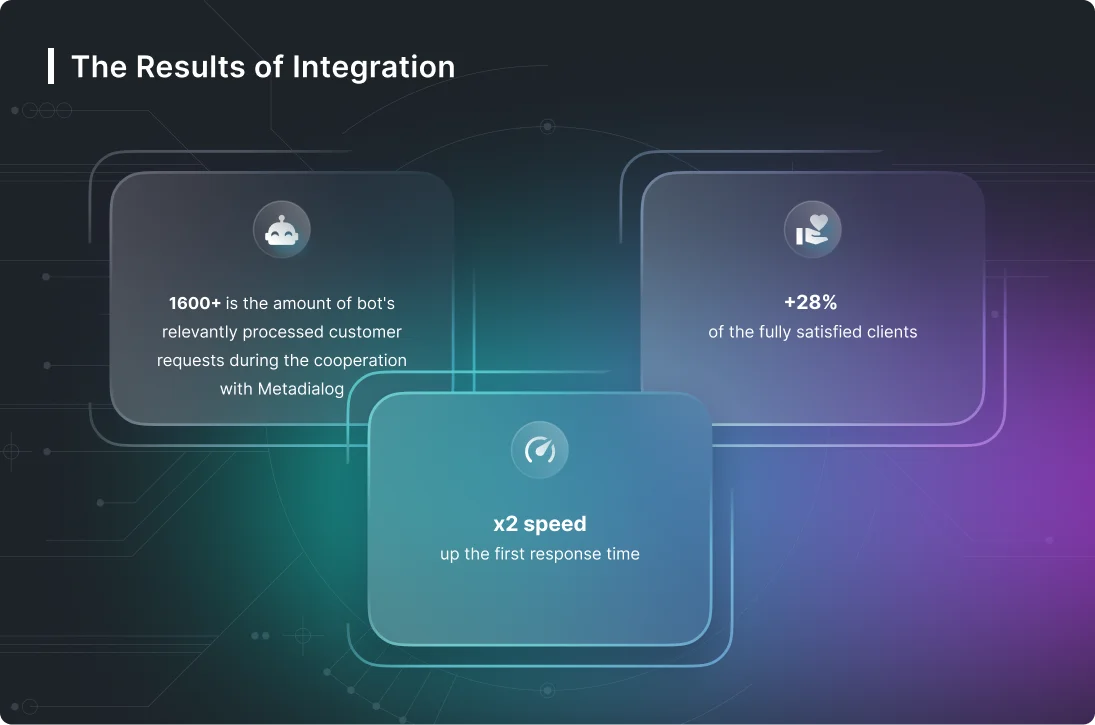
You can foun additiona information about ai customer service and artificial intelligence and NLP. Lucero is a programmer and entrepreneur with a feel for Python, data science and DevOps. Raised in Buenos Aires, Argentina, he’s a musician who loves languages (those you use to talk to people) and dancing. While Python is still preferred across the board, both Java and C++ can have an edge in some use cases and scenarios.

For example, C++ could be used to code high-performance routines, and Java could be used for more production-grade software development. C++ has also been found useful in widespread domains such as computer graphics, image processing, and scientific computing. Similarly, C# has been used to develop 3D and 2D games, as well as industrial applications.
Python is well-suited for AI development because of its arsenal of powerful tools and frameworks. TensorFlow and PyTorch, for instance, have revolutionized the way AI projects are built and deployed. These frameworks simplify AI development, enable rapid prototyping, and provide access to a wealth of pre-trained models that developers can leverage to accelerate their AI projects. Like Java, C++ typically requires code at least five times longer than you need for Python. It can be challenging to master but offers fast execution and efficient programming.
A language like Fortran simply doesn’t have many AI packages, while C requires more lines of code to develop a similar project. A scripting or low-level language wouldn’t be well-suited for AI development. It shares the readability of Python, but is much faster with the speed of C, making it ideal for beginner AI development. Its speed makes it great for machine learning, which requires fast computation. Haskell is a functional and readable AI programming language that emphasizes correctness.
Because of those elements, C++ excels when used in complex AI applications, particularly those that require extensive resources. It’s a compiled, general-purpose language that’s excellent for building AI infrastructure and working in autonomous vehicles. Likewise, AI jobs are steadily increasing, with in-demand roles like machine learning best ai language engineers, data scientists, and software engineers often requiring familiarity with the technology. Julia is a newer language with a small yet rapidly growing user base that’s centered in academic computing. Julia tends to be easy to learn, with a syntax similar to more common languages while also working with those languages’ libraries.